 how-to
Biophilic Bathroom Design: Bring Nature Into Your Space
Table of Contents
- What Is Biophilic Bathroom Design
- Why Biophilic Design Matters for Your Bathroom
- Biophilic Bathroom Design Ideas You Can Implement Today
- Natural Light Bathroom Design as Your Foundation
- Natural Materials for Bathroom Design That Last
- Bathroom Plants for Low Light Environments
- Moisture, Mold, and Material Durability in Biophilic Bathrooms
- Adapting Biophilic Design for Small and Rental Bathrooms
- Frequently Asked Questions
Last Updated: October 10, 2026
What Is Biophilic Bathroom Design
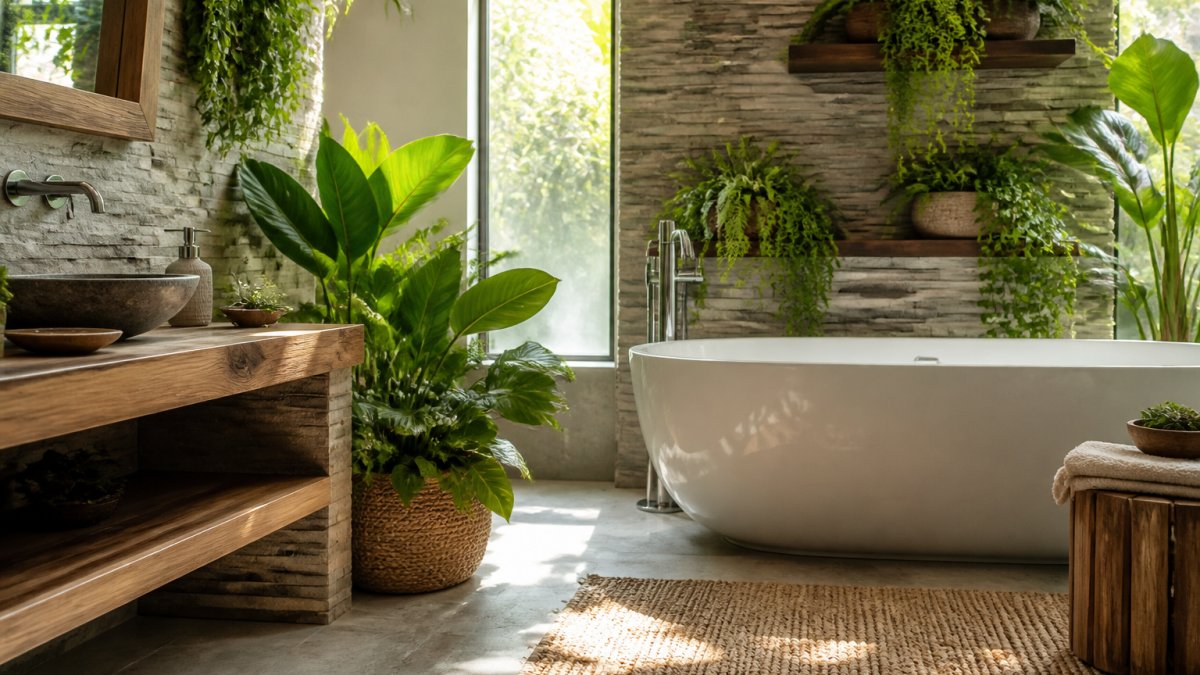
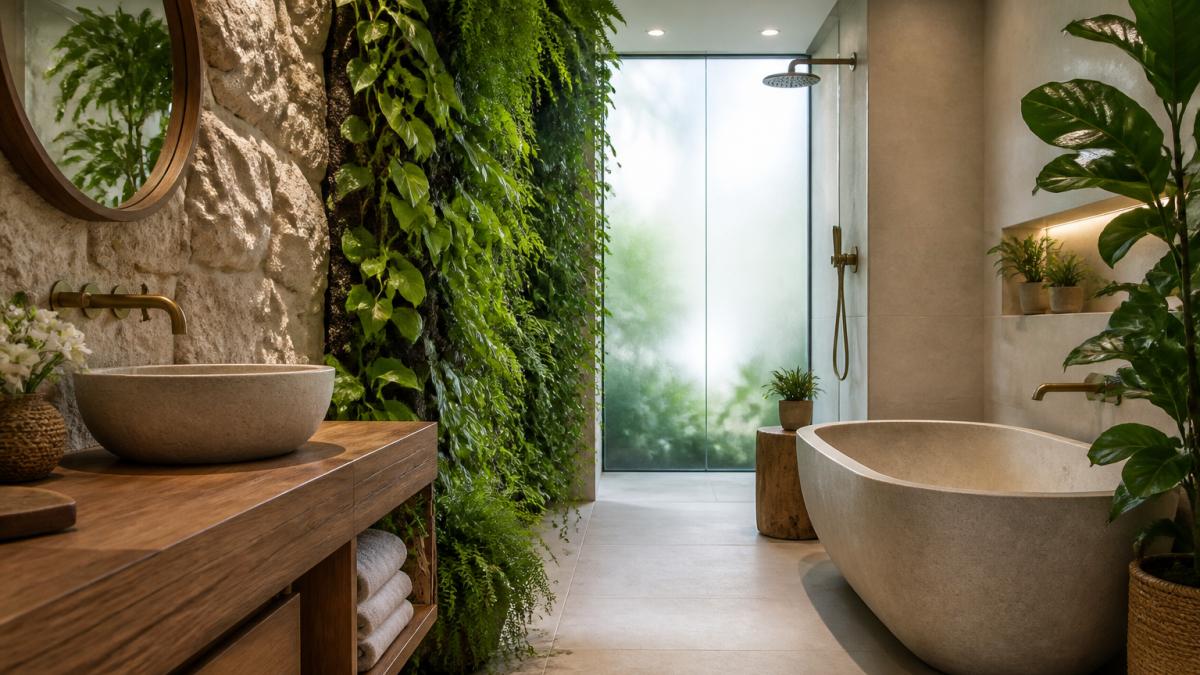
Biophilic bathroom design is the practice of bringing natural elements into your bathroom to create a space that reconnects you with nature. The term comes from "biophilia," the human tendency to seek connection with the natural world.
Even small changes, a few plants, better lighting, a stone accent wall, transform the space and reduce stress. You don't need a complete overhaul to benefit from biophilic principles.
The core elements of biophilic bathroom design include:
- Indoor plants and vertical gardens
- Natural materials like wood and stone
- Abundant natural light or daylight simulation
- Water features (fountains, rainfall showerheads)
Why Biophilic Design Matters for Your Bathroom
Biophilic design creates a spa-like retreat: greenery, natural light, and organic materials trigger relaxation and reduce stress. It also increases home appeal and property value. Plants improve air quality, while natural materials like stone and wood age gracefully and require minimal maintenance once sealed.
Biophilic Bathroom Design Ideas You Can Implement Today
A phased approach lets you build your retreat incrementally and manage costs.
Phase 1: Assess Your Bathroom (Foundation)
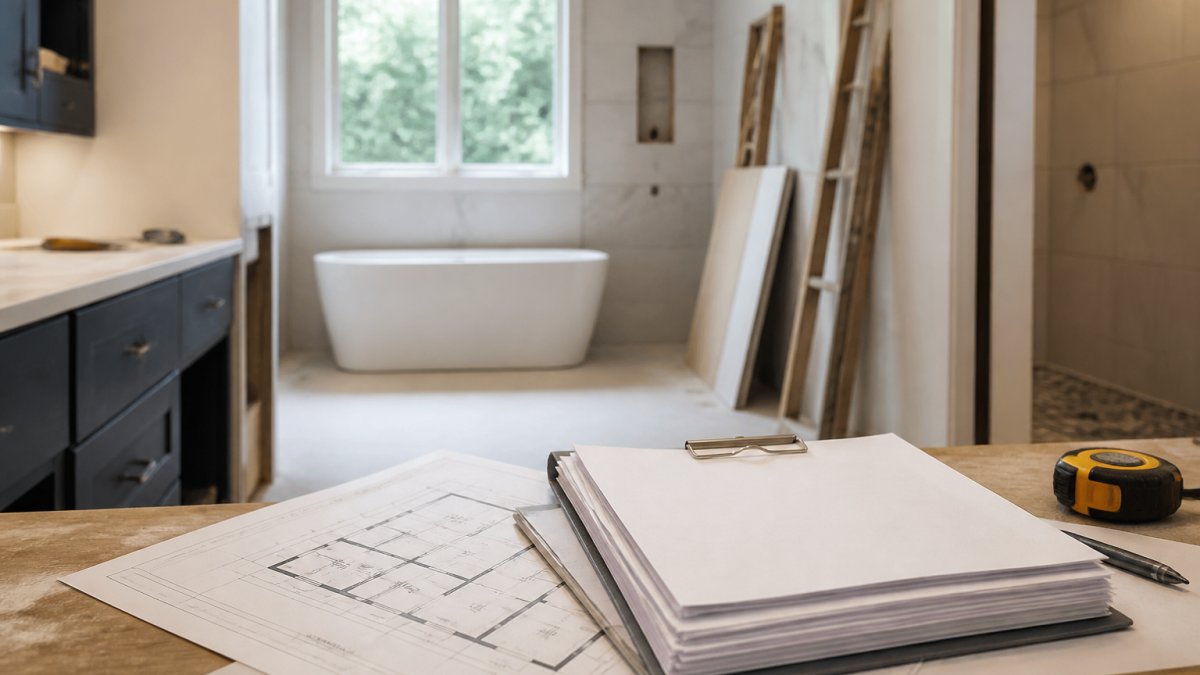
Spend one week observing light levels, humidity, ventilation, and layout. Note where sunlight enters and track intensity.
Phase 1 Budget: $0-$50 (mostly observation and planning).
Phase 2: Optimize Light and Air (High-Impact, Low-Cost)
- Maximize existing windows. Replace heavy curtains with frosted film for privacy and diffused light ($15-$40; professional installation $100-$300).
- Upgrade lighting. Install full-spectrum LED bulbs (4000-5000K) in existing fixtures ($8-$15 per bulb) or add a wall sconce ($30-$150).
- Improve ventilation if needed. Clean ductwork first; if moisture still lingers 20+ minutes, upgrade to a fan rated for your bathroom's square footage plus 50% ($150-$400 installed).
Phase 2 Budget: $50-$500 depending on lighting and ventilation upgrades.
Phase 3: Add Plants (Visible Impact, Moderate Commitment)
- Start with one statement plant. Choose based on light level: pothos or fern for low light, snake plant for very low light, or philodendron for moderate indirect light. Place it in a dry zone away from shower spray ($15-$30).
- Add a second plant after two weeks if the first thrives. If struggling, troubleshoot light or watering before adding more.
- Consider a living wall only after success with individual plants ($80-$250; requires consistent watering and light).
Phase 3 Budget: $50-$300 for plants and containers over 4-8 weeks.
Phase 4: Introduce Natural Materials (Lasting Foundation)
- Replace or upgrade the vanity. A wood vanity ($300-$1,200) becomes the room's anchor; pair with a stone or wood countertop ($200-$800). This is the highest-impact change.
- Add a stone or natural tile accent. Replace one wall with slate, travertine, or marble ($400-$1,200 installed).
- Upgrade flooring if planning a full refresh (cork or stone tile, $3-$8 per sq ft installed). Otherwise, focus on vanity and accents.
Phase 4 Budget: $500-$3,000+ depending on scope.
Phase 5: Refine with Water Features and Finishing Details
- Rainfall showerhead ($40-$150) for a sensory upgrade without major plumbing.
- Nature-inspired color palette: Paint an accent wall in soft sage, warm gray, or sandy beige ($100-$300).
- Natural fiber accessories: Add a wooden bath mat, stone soap dish, or woven storage basket ($20-$100 total).
Phase 5 Budget: $200-$600.
Adapting by Constraint
- Low-light bathrooms (no window, dim fixtures). Skip living walls. Focus on Phase 2 (lighting upgrade) and one low-light plant like a snake plant or ZZ plant. These tolerate neglect and don't require the visual drama of a fern.
- Rental bathrooms. Prioritize Phases 1-3 (assessment, lighting, plants). Skip permanent material upgrades. Use removable wallpaper in nature tones, peel-and-stick tile accents, and portable shelving. All leave when you do.
- Small bathrooms (under 40 sq ft). One large plant in a corner has more impact than three small ones. Skip the living wall. Use vertical shelving and a floating vanity to maximize perceived space. Choose one material accent (vanity or tile) rather than multiple.
- Tight budgets. Start with Phase 1 (free) and Phase 2 (lighting, $50-$150). A single plant and full-spectrum bulbs transform the space for under $100. Add materials and water features later.
Timeline and Maintenance
Expect 2-3 months from assessment to a fully realized biophilic bathroom if you're phasing in.
Natural Light Bathroom Design as Your Foundation
Natural light is the foundation of effective biophilic bathroom design. Maximize windows with frosted glass for privacy. For windowless bathrooms, simulate natural light with full-spectrum LED bulbs (4000-5000K) and layer task and ambient lighting. Natural light makes plants thrive and keeps your biophilic design vibrant.
Natural Materials for Bathroom Design That Last
Natural materials are the backbone of biophilic bathroom design. Stone (marble, granite, slate, travertine) ages gracefully with matte finishes. Teak and moisture-resistant woods work for vanities and shelving. Cork and bamboo offer warmth and sustainability. Proper sealing prevents water absorption and ensures durability.
Bathroom Plants for Low Light Environments
Most bathrooms lack abundant natural light. The good news: bathroom humidity and consistent warmth create ideal conditions for shade-tolerant plants, if you match the plant to your specific conditions.
Matching Plants to Your Bathroom's Light Level
- Moderate indirect light (bathroom with a window, north or east-facing). Best plants: pothos, philodendron, Boston fern, maidenhair fern, peace lily. Rotate them monthly so they don't lean toward the light.
- Low light (bathroom with a small window or frosted glass, or artificial light only). Best plants: snake plant, ZZ plant, cast iron plant, peace lily. These tolerate neglect and grow slowly but stay healthy. Avoid ferns; they'll decline over weeks.
- Very low light (no window, only artificial bathroom lighting). Best plants: ZZ plant, snake plant, pothos (with full-spectrum LED bulbs). Install a second light source or upgrade to bright full-spectrum bulbs (4000-5000K) before adding plants.
Humidity and Ventilation: The Hidden Variable
Bathroom humidity helps tropical plants but causes root rot if ventilation is poor. In well-ventilated bathrooms, water ferns every 5-7 days and pothos/snake plants every 10-14 days. In poorly ventilated bathrooms, upgrade your exhaust fan or clean ductwork first.
Placement by Zone: Dry, Wet, and Splash
- Dry zone (vanity area, shelves away from shower/tub). All plants thrive here.
- Wet zone (near sink, on counters where water splashes). Use hardy plants: pothos, snake plant, ZZ plant. Keep pots on saucers.
- Splash zone (directly in or adjacent to shower/tub spray). Don't place plants here. Use a trailing pothos in a hanging basket above the spray line, or use a faux plant.
Plant-by-Plant Guide for Bathroom Conditions
Pothos (Devil's Ivy)
- Light: Low to moderate indirect light
- Humidity: Thrives in bathrooms
- Watering: Every 7-10 days; let soil dry slightly between waterings
- Maintenance: Minimal; pinch back trailing stems to control growth
Snake Plant (Sansevieria)
- Light: Very low to moderate; extremely tolerant
- Humidity: Tolerates high humidity but prefers drier conditions
- Watering: Every 14-21 days; prefers to dry out between waterings
- Maintenance: Minimal; slow-growing
ZZ Plant (Zamioculcas zamiifolia)
- Light: Very low to moderate; extremely tolerant
- Humidity: Tolerates high humidity but prefers drier conditions
- Watering: Every 14-21 days; very drought-tolerant
- Maintenance: Minimal; extremely slow-growing
Boston Fern
- Light: Moderate indirect light (2-4 hours daily)
- Humidity: Loves high humidity; bathrooms are ideal
- Watering: Every 3-5 days; keep soil consistently moist
- Maintenance: Moderate; mist fronds weekly to prevent brown tips
Peace Lily
- Light: Low to moderate indirect light
- Humidity: Loves high humidity; thrives in bathrooms
- Watering: Every 5-7 days; signals thirst by drooping (recovers quickly after watering)
- Maintenance: Low; remove dead flowers and leaves
Philodendron
- Light: Low to moderate indirect light
- Humidity: Loves high humidity; thrives in bathrooms
- Watering: Every 7-10 days; let soil dry slightly between waterings
- Maintenance: Low; similar to pothos; pinch back to control growth
Maidenhair Fern
- Light: Moderate indirect light (2-4 hours daily)
- Humidity: Loves high humidity; bathrooms are ideal
- Watering: Every 3-5 days; keep soil consistently moist
- Maintenance: Moderate to high; delicate fronds brown easily; mist frequently
Windowless Bathrooms: Special Considerations
If your bathroom has no window, plants are possible but require intentional choices:
- Upgrade lighting first. Install full-spectrum LED bulbs (4000-5000K) in at least one fixture ($10-$30). These mimic daylight and make a measurable difference.
- Choose only ZZ plant or snake plant. These tolerate artificial light better than any other option.
- Place plants within 3 feet of the light source. Distance matters; a plant 6 feet away won't thrive.
- Water sparingly. Check soil moisture before watering; water only if the top 1 inch is dry. Overwatering is the primary cause of failure.
- Consider rotating plants every 4-6 weeks to a brighter room to let them recover.
- Accept slower growth. This is normal and indicates the plant is conserving energy in low-light conditions.
Watering Strategy for Bathroom Humidity
- Check soil moisture, not the calendar. Stick your finger 1 inch into the soil. If moist, don't water. Bathroom humidity means soil dries slower.
- Use well-draining potting mix with perlite or orchid bark (20-30% by volume) to prevent root rot.
- Use pots with drainage holes. Water that sits in the pot causes root rot. Use a saucer to catch drainage.
- Water in the morning to allow excess moisture to evaporate before evening showers.
- Reduce watering in winter as plants grow slower.
Signs of Trouble and How to Fix Them
- Brown leaf tips on ferns. Mist fronds with distilled water 2-3 times weekly.
- Yellow leaves, soft stems. Root rot from overwatering. Stop watering and repot in fresh, dry potting mix.
- Pale, slow growth. Feed with diluted liquid fertilizer (half-strength) every 4-6 weeks during spring and summer.
- Drooping despite moist soil. Check roots; if brown and mushy, repot. If healthy, move away from cold drafts.
Maintenance Schedule
- Weekly: Check soil moisture and water if needed.
- Monthly: Rotate plants 180 degrees. Remove dead leaves and stems.
- Quarterly: Inspect for pests and mold on soil. If found, repot and isolate.
- Annually: Repot plants that have outgrown their containers. Refresh potting mix.
Moisture, Mold, and Material Durability in Biophilic Bathrooms
Managing moisture is key to biophilic bathroom design. Run your exhaust fan during and for 20-30 minutes after every shower. Seal natural materials properly; reseal every 1-3 years. Keep plants away from direct water splash zones. Monitor for mold on grout and caulking; clean with water and white vinegar. Use mold-resistant grout and silicone-based caulk.
Adapting Biophilic Design for Small and Rental Bathrooms
For small bathrooms: Use vertical solutions, wall-mounted shelves, floating vanities, tall mirrors. A single statement plant creates more impact than several small ones.
For rental bathrooms: Focus on removable elements: hanging planters, removable wallpaper, portable shelving, and peel-and-stick tile accents. Install full-spectrum LED bulbs.
A biophilic bathroom design transforms your daily routine into a wellness ritual. Whether planning a full renovation or making incremental changes, the focus is on bringing natural elements into your bathroom.
Frequently Asked Questions
What is biophilic bathroom design?
Biophilic bathroom design integrates natural elements, plants, natural light, wood, stone, and water features, to create a connection with nature within your bathroom. It's based on the principle that humans have an innate need to connect with the natural world. This design approach transforms your bathroom into a calming, spa-like retreat by incorporating greenery, organic textures, natural colors, and materials that evoke the outdoors. The goal is to enhance both the aesthetics and your wellbeing through sensory experiences that promote relaxation and balance.
What plants work well in a humid bathroom?
Bathrooms with high humidity are ideal for moisture-loving plants. Pothos, philodendrons, ferns, and snake plants thrive in these conditions and tolerate low to medium light. Bamboo palm, ZZ plants, and peace lilies also adapt well to bathroom humidity and improve air quality. These bathroom plants for low light are especially useful in bathrooms without windows or with limited natural light. Place them on shelves, in corners, or on vertical surfaces to maximize space. Ensure pots have drainage holes and rotate plants occasionally to prevent mold buildup on leaves.
How can I bring natural light into a bathroom without windows?
If your bathroom lacks windows, consider skylights or solar tubes to channel daylight from the roof. Frosted or translucent window films allow light in while maintaining privacy. Mirrors positioned strategically reflect available light and create the illusion of more space and brightness. Light-colored walls and surfaces amplify whatever daylight or artificial light exists. For artificial lighting, use full-spectrum bulbs that mimic natural daylight to support circadian rhythm and enhance the biophilic atmosphere. Combining these approaches creates a natural light bathroom design that feels open and connected to the outdoors.
What natural materials are best for bathroom design?
Wood, stone, and ceramic are ideal natural materials for bathroom design because they withstand moisture when properly sealed and finished. Teak and bamboo resist water naturally and add warmth. Stone like marble, slate, and granite create elegant surfaces for countertops, flooring, and accent walls. Cork flooring offers comfort and sustainability. Ceramic and porcelain tiles mimic natural stone appearance while providing durability. Ensure all materials are sealed appropriately for bathroom humidity and ventilation is adequate to prevent mold. These organic textures and finishes create the spa-like aesthetic central to biophilic design while maintaining functionality and longevity.