 how-to
7 Steps to Choose Outdoor Kitchen Appliances for Luxury Homes
Last Updated: October 24, 2026
Quick Summary
Choosing outdoor kitchen appliances starts with understanding your entertaining style and measuring your space carefully, then selecting a quality built-in grill as your centerpiece and adding supporting appliances like refrigerators and side burners that match your actual cooking habits. Material selection, particularly stainless steel grades suited to your climate, and professional installation ensure durability and safe operation.
- A 36-inch grill surface handles most home entertaining needs, with at least 18 inches of clearance on either side for safe operation
- Quality grills deliver 40,000 to 60,000 BTUs, with higher ratings enabling faster heating and better searing capability
- Use 304-grade stainless steel minimum for outdoor appliances, or 316-grade in coastal areas with salt air exposure
- Position your grill, refrigerator, and prep counter in a triangle with each side 4 to 9 feet apart for comfortable workflow
- Your grill needs at least 10 feet of clearance from combustible materials like wooden pergolas or vinyl siding
Table of Contents
- Assess Your Entertaining Style and Space
- Select the Right Built-In Grill as Your Centerpiece
- Best Outdoor Kitchen Appliances Beyond the Grill
- Outdoor Kitchen Appliance Buying Guide: Materials and Durability
- Weather-Resistant Outdoor Kitchen Appliances for Climate Protection
- Outdoor Kitchen Layout and Appliance Planning for Workflow
- Plan Your Installation, Utilities, and Safety Requirements
- Start Your Luxury Outdoor Kitchen Design Today
- Frequently Asked Questions
Assess Your Entertaining Style and Space
Choosing the right outdoor kitchen appliances starts with understanding how you actually entertain. Do you host large dinner parties, intimate family gatherings, or weekend cookouts? Your entertaining style shapes everything that comes next.
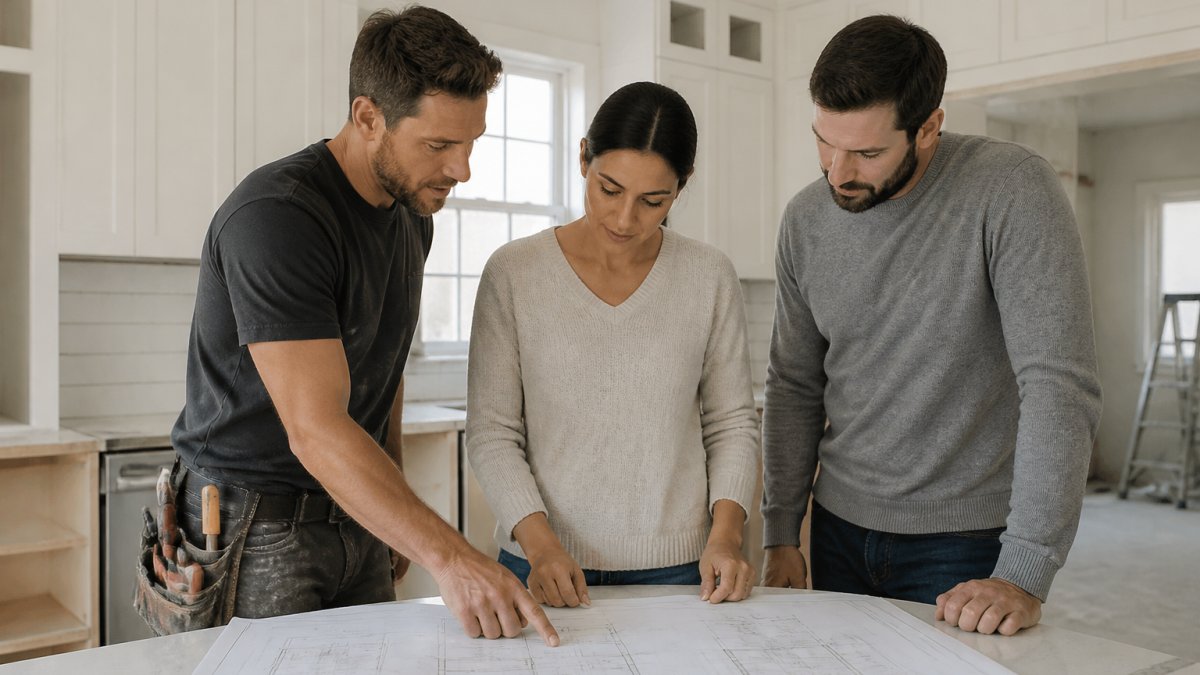
Before you buy a single appliance, measure your outdoor space carefully. Note the length and width of your patio or deck, the distance from your house to the kitchen area, and any existing structures like pergolas or shade covers.
The best outdoor kitchens feel spacious and functional, not cramped. A common mistake is installing appliances too close together. You need at least 18 inches of clearance on either side of your grill for safe operation and comfortable cooking.
Consider your climate and weather patterns. Choose outdoor kitchen materials for Florida climate to learn which materials perform best in your region's specific conditions.
Think about workflow too. Where will guests stand while you cook? Where will you prep food? Where will you serve drinks? Sketch a simple layout on paper. The best outdoor kitchen flows from prep area to grill to serving space without bottlenecks.
Key questions to ask yourself:
- How many people do you typically entertain?
- Do you cook year-round or seasonally?
- What's your budget range?
- Do you prefer gas, charcoal, or electric cooking?
- How much storage do you need for beverages and food?
NFPA guidelines for outdoor grill safety and clearance requirements
Select the Right Built-In Grill as Your Centerpiece
Your grill is the anchor of your outdoor kitchen. It deserves careful thought because it sets the tone for everything else.
Built-in grills come in three main fuel types, each with distinct advantages:
Gas grills offer convenience and precise temperature control. They heat quickly and cool down fast. You can adjust flame height instantly. Most luxury outdoor kitchens feature gas grills because they're easy to use for entertaining.
Charcoal grills deliver authentic smoky flavor that gas cannot match. They require more skill and attention. Charcoal takes longer to heat and cool.
Electric grills work well in smaller spaces or apartments with strict regulations. They're clean and low-maintenance. Heat output is typically lower than gas or charcoal, so they suit smaller gatherings better.
When selecting a built-in grill, look at cooking surface area. A 36-inch grill surface handles most home entertaining needs. Anything smaller feels cramped when cooking for a crowd.
Check the heat output, measured in BTUs (British Thermal Units). Most quality grills deliver 40,000 to 60,000 BTUs. Higher BTU ratings mean faster heating and better searing capability.
Temperature control matters more than you might think. Look for grills with multiple burners so you can create hot and cool zones.
Consumer Reports guide to outdoor grill selection and performance testing
Built-in grills come in three main fuel types, each offering distinct advantages and trade-offs for your outdoor kitchen.
| Fuel Type | Key Advantage | Best For |
|---|---|---|
| Gas | Precise temperature control and quick heating | Most luxury outdoor kitchens |
| Charcoal | Authentic smoky flavor | Flavor priority over convenience |
| Electric | Clean and low-maintenance operation | Smaller spaces with regulations |
Best Outdoor Kitchen Appliances Beyond the Grill
Most people focus on the grill and forget about the supporting cast.
Outdoor refrigerators are essential for entertaining. They keep beverages cold and store prepared food during the cooking process.
Beverage centers are specialized coolers with dedicated space for bottles and cans. They're smaller than full refrigerators but perfect if you just need cold drinks.
Side burners add serious cooking flexibility. Use them for sauces, side dishes, or boiling water without firing up the main grill.
Smokers and kamado grills appeal to serious cooking enthusiasts. They deliver distinctive flavors but require more space and skill.
Pizza ovens create a focal point and expand your entertaining options. Wood-fired models deliver authentic pizzeria results. Gas-powered versions offer faster cooking and easier temperature control.
Outdoor refrigerator drawers provide compact storage without a full fridge footprint. They work well for appetizers, condiments, and leftover prep.
Storage drawers keep grilling tools, linens, and supplies organized and protected from weather. Stainless steel drawers resist rust and blend seamlessly with other appliances.
The key is choosing appliances that match your actual cooking habits. Don't buy equipment you won't use.
Outdoor Kitchen Appliance Buying Guide: Materials and Durability
Material choice determines how long your outdoor kitchen will look and function well. This is where many homeowners make expensive mistakes.
Stainless steel is the industry standard for outdoor kitchen appliances. It resists rust and corrosion far better than painted steel.
Stainless steel requires regular maintenance. Salt spray, chlorine from pools, and acidic foods can cause surface damage over time.
Powder-coated steel costs less than stainless steel but requires more maintenance. The coating protects the underlying metal, but scratches expose bare steel to rust.
Aluminum appears in some outdoor appliances because it naturally resists corrosion. It's lighter than steel but less durable under heavy use.
Cast iron retains heat exceptionally well, making it ideal for grill grates. It requires seasoning and regular maintenance to prevent rust.
Ceramic appears in kamado grills and pizza ovens. It insulates beautifully and distributes heat evenly.
Finishes matter as much as base materials. A quality powder coat or paint protects the underlying metal. Cheap finishes peel and fail within a year or two.
Watch out: Avoid appliances with plastic components in high-heat areas. Plastic warps and fails faster than metal in outdoor conditions.
Weather-Resistant Outdoor Kitchen Appliances for Climate Protection
Your local climate determines which materials and features you actually need. A grill that works perfectly in Arizona might rust quickly in humid coastal air.
Humidity and moisture are the primary enemies of outdoor appliances. In humid climates, stainless steel 304-grade is the minimum acceptable standard. Coastal areas demand 316-grade stainless steel or better.
Temperature swings stress appliance components. When temperatures fluctuate between freezing and hot, metal expands and contracts. Seals crack. Connections loosen. Choose appliances with sealed compressors and reinforced joints designed for these cycles.
UV exposure fades paint and weakens plastic components. If your outdoor kitchen sits in direct sun, prioritize covered or shaded locations when possible.
Wind can affect gas grills and smokers. Strong wind disrupts flames and makes temperature control difficult. Position your grill where it's protected from prevailing winds.
Rain and standing water cause rust and electrical failures. Ensure proper drainage around your outdoor kitchen. Slope the patio slightly away from appliances so water doesn't pool.
For year-round outdoor kitchens in cold climates, insulated covers protect appliances during winter months. Remove covers and inspect equipment before the grilling season starts.
EPA guidelines on outdoor equipment maintenance and environmental protection
Outdoor Kitchen Layout and Appliance Planning for Workflow
The best outdoor kitchens follow a logical sequence: prep, cook, serve, clean. Your layout should support this flow without requiring guests to navigate around you.
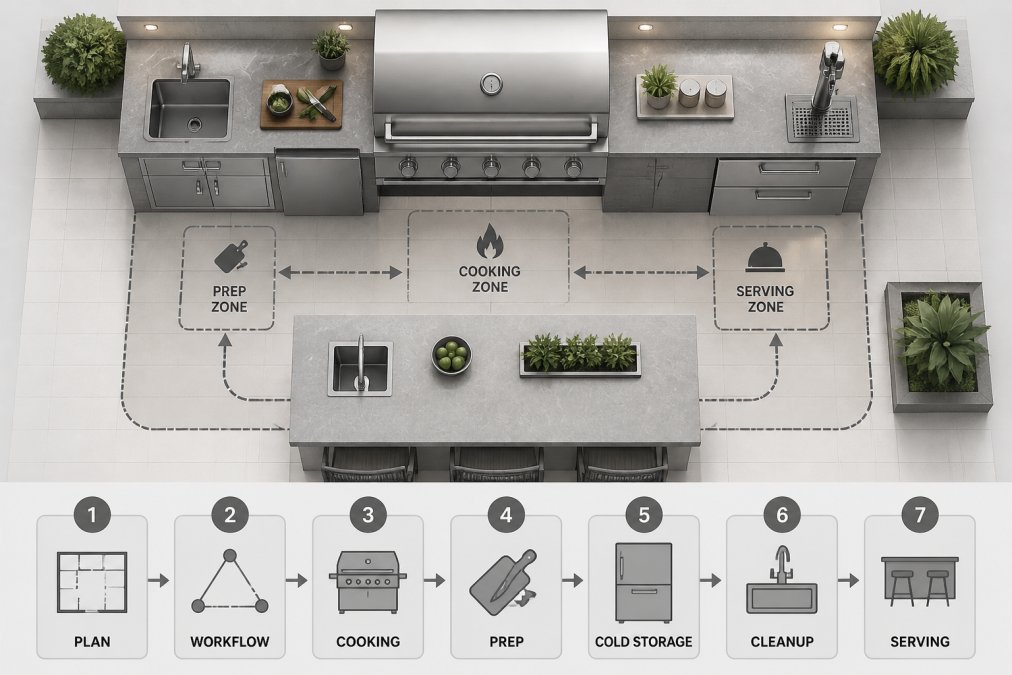
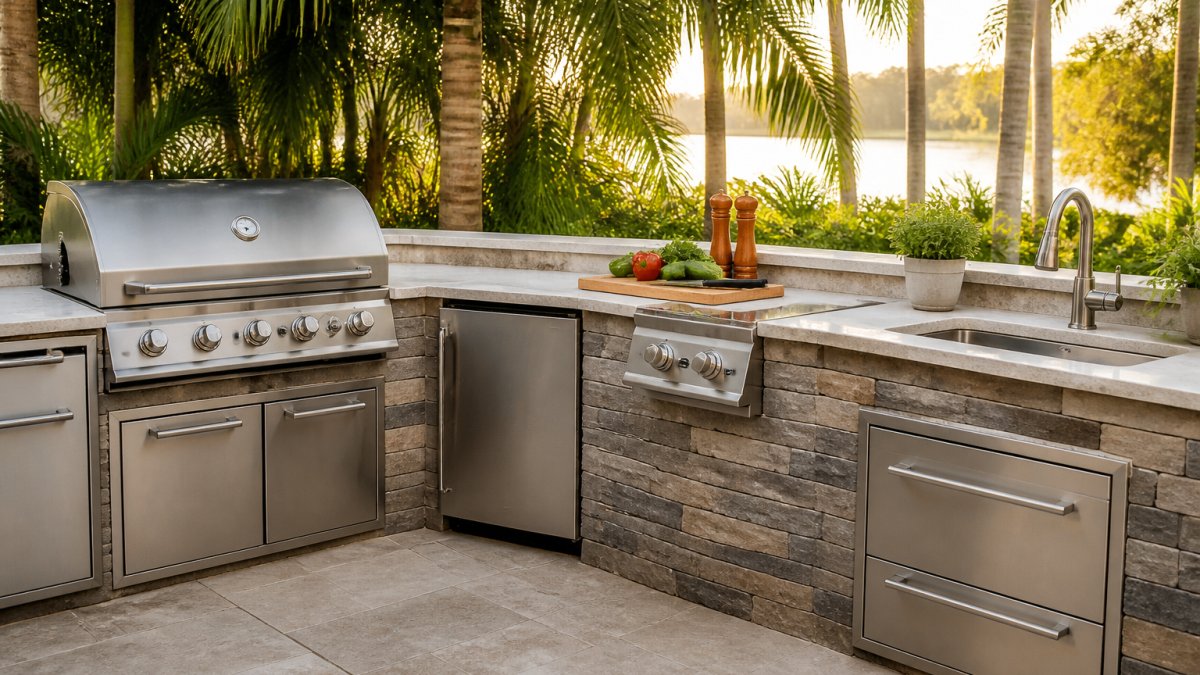
The work triangle is a proven design principle borrowed from indoor kitchens. Position your grill, refrigerator, and prep counter to form a triangle.
Counter space is more important than most people realize. You need at least 24 inches of counter space on each side of your grill.
Traffic flow matters when hosting. Position your outdoor kitchen so guests don't have to walk through your cooking zone to reach seating areas.
Appliance placement should follow your cooking sequence. Place your refrigerator near the entrance so you're not walking far to grab ingredients.
Storage should be accessible but not in your main workflow. Drawers and cabinets near your prep area work well for tools and seasonings.
Lighting transforms your outdoor kitchen from day-use only to evening entertaining. Install task lighting above prep areas and the grill. Add ambient lighting around the seating area.
Consider custom outdoor kitchen design ideas for luxury homes to see how professional designers optimize layouts for different entertaining styles.
Plan Your Installation, Utilities, and Safety Requirements
Installation is where many DIY attempts fail. Professional installation ensures safety, proper function, and warranty coverage.
Gas connections require proper sizing and secure installation. Undersized gas lines restrict fuel flow and reduce appliance performance. Oversized lines waste fuel and create safety hazards.
Electrical requirements vary by appliance. Refrigerators, side burners, and lighting all need power. Most outdoor kitchens require a dedicated 240-volt circuit for heavy-load appliances.
Ventilation is critical for gas grills and smokers. Propane and natural gas produce carbon monoxide.
Clearances are mandated by building code. Your grill needs at least 10 feet of clearance from combustible materials like wooden pergolas or vinyl siding.
Propane tanks require safe storage away from living spaces. Keep tanks upright and secure. Never store propane indoors.
Permits and inspections are required in most jurisdictions. Building permits ensure your outdoor kitchen meets local codes.
Water drainage prevents flooding and water damage. Ensure proper slope away from appliances. Install a French drain if your patio area tends to collect water.
Consider custom outdoor kitchen builders in your area who understand local installation requirements and can handle permits and inspections.
Start Your Luxury Outdoor Kitchen Design Today
Choosing the right outdoor kitchen appliances requires balancing your entertaining style, climate conditions, budget, and long-term maintenance expectations. Start with the essentials, a quality built-in grill, refrigeration, and counter space. Add specialty appliances as your outdoor cooking skills and entertaining frequency grow.
The investment in premium materials and professional installation pays dividends in durability and enjoyment. A well-designed outdoor kitchen becomes the heart of your home's entertaining space, delivering years of memorable gatherings and meals with family and friends.
Dimensions Luxury Builders specializes in custom outdoor kitchen design and installation for luxury homes. Our team handles everything from initial design consultation through final installation, managing permits, utilities, and safety requirements so you can focus on enjoying your new space. Get a free quote to discuss your outdoor kitchen vision with our design team.
Frequently Asked Questions
What appliances should a luxury outdoor kitchen include?
A well-designed luxury outdoor kitchen typically includes a built-in grill (gas, charcoal, or kamado), outdoor refrigerator or beverage center, side burner, storage drawers, and a prep surface. Many homeowners add pizza ovens, smokers, or ice makers for premium entertaining. The specific appliances depend on your entertaining style, available space, and how often you plan to cook outdoors. Dimensions Luxury Builders can help you select the perfect combination for your lifestyle.
What materials are best for outdoor kitchen appliances?
Stainless steel is the industry standard for outdoor kitchen appliances because it resists rust and corrosion. Marine-grade stainless steel (316 series) offers superior durability in humid climates. Look for powder-coated aluminum frames, weather-resistant gaskets, and sealed electrical components. All outdoor appliances should be rated for exterior use and able to withstand temperature fluctuations, moisture, and UV exposure. Material quality directly impacts longevity and maintenance demands.
How do you protect outdoor kitchen appliances from the weather?
Install a pergola, awning, or covered structure above your outdoor kitchen to shield appliances from direct rain and intense sun. Use fitted covers when appliances aren't in use, especially during off-season months. Ensure proper drainage around the kitchen base to prevent water pooling. Schedule seasonal maintenance: clean stainless steel surfaces, inspect seals and gaskets, and check gas connections. In hurricane-prone regions, securing appliances and having a professional inspect installations annually protects your investment.
How much space should you leave between outdoor kitchen appliances?
Leave at least 6 inches between the grill and adjacent appliances or walls to allow heat dissipation and airflow. Side burners should be positioned 12 inches from the grill for safe operation. Refrigerators need 2-3 inches of clearance on sides and back for ventilation. Ensure at least 24 inches of counter space on either side of the grill for food prep and plating. Proper spacing prevents overheating, reduces fire risk, and improves workflow during entertaining.
Ready to transform your outdoor living space? Dimensions Luxury Builders brings professional craftsmanship and local expertise to every luxury outdoor kitchen project. We manage permits, coordinate with utility providers, and ensure your kitchen meets all safety codes. Contact us today to schedule your design consultation.