 ultimate-guide
How to Plan an Energy Efficient Home Renovation
Table of Contents
- Step 1: Set a Baseline With a Home Energy Audit
- Step 2: Map Your Energy Efficient Home Renovation Priorities
- Step 3: Understand the Cost of Energy Efficient Home Upgrades
- Step 4: Claim Energy Efficient Home Renovation Tax Credits
- Step 5: Choose the Best Energy Efficient Windows for Hurricane Zones
- Step 6: Add Smart Home Energy Management Systems
- Step 7: Coordinate Contractors and Verify Results After Renovation
- Frequently Asked Questions
Last Updated: October 20, 2026
Step 1: Set a Baseline With a Home Energy Audit
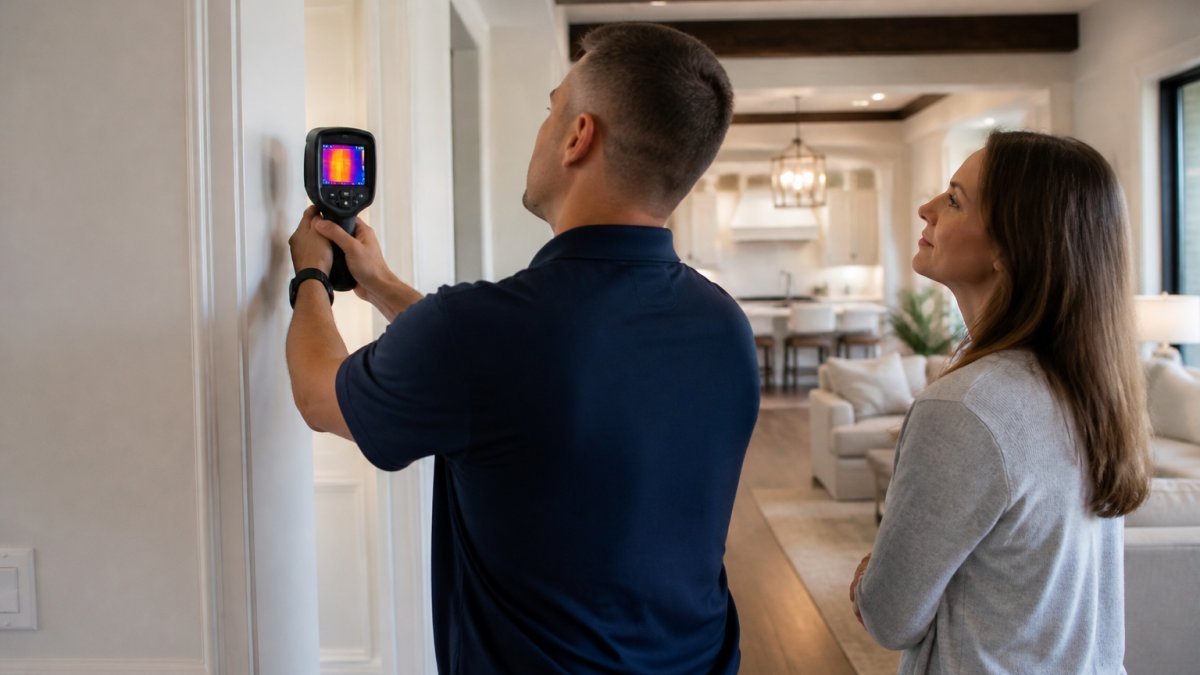
An energy efficient home renovation starts with measurement, not demolition. Before you choose a single window or appliance, you need to know where your house actually loses energy, and a professional energy audit is how you find out.
An audit replaces guesswork with a prioritized list.
What a Professional Audit Measures
A residential energy assessment typically covers four things: air leakage through a blower door test, insulation levels in walls and attic, the condition and efficiency of your heating and cooling equipment, and thermal imaging that reveals hidden gaps. The U.S. Department of Energy's home energy assessment guidance walks through what each test reveals.
Ask the auditor for a written report with photos. That document becomes your renovation roadmap, and it's also useful evidence if you later pursue utility rebates or federal credits.
Step 2: Map Your Energy Efficient Home Renovation Priorities
The most effective sequence for an energy efficient home renovation is: seal air leaks first, then insulate, then address windows and doors, then upgrade mechanical systems, and finish with appliances and controls. Skipping ahead wastes money.
Here's why that order matters. A building envelope is the shell that separates conditioned air from the outdoors. If that shell leaks, a new HVAC system works harder to compensate, and you pay for equipment that can never perform to spec. Fix the shell, and every downstream upgrade performs better.
The Sequence That Saves the Most
- Air sealing. Seal gaps around penetrations, rim joists, and attic hatches. This is the lowest-cost, highest-return step in most homes.
- Insulation. Bring attic, wall, and floor insulation up to current recommendations for your climate zone.
- Windows and doors. Replace failing units, especially on sun-exposed exposures.
- HVAC. Right-size and upgrade heating and cooling equipment only after the envelope is tight.
- Appliances, lighting, and controls. Finish with smart thermostats, zoning, and LED lighting.
Step 3: Understand the Cost of Energy Efficient Home Upgrades
The cost of energy efficient home upgrades varies widely by scope, home size, and existing conditions, so treat any single national figure with suspicion. A whole-house approach priced for a compact home bears little resemblance to a full envelope and systems overhaul in a larger property. What you can do is build a scope-based budget and compare bids on identical line items, then sanity-check each line against typical ranges before you sign.
Typical Cost Ranges by Upgrade
The ranges below are planning benchmarks, not quotes. They reflect common residential scopes and will move with home size, local labor rates, and existing conditions.
| Upgrade | Typical Planning Range (USD) | What Drives the Price |
|---|---|---|
| Professional energy audit | $300-$800 | Home size, diagnostic testing included, whether the auditor is utility-program affiliated |
| Air sealing | $300-$1,500 | Number of penetrations, attic and rim-joist access, whether ducts are sealed too |
| Attic insulation | $1,500-$4,500 | Square footage, target R-value for your climate zone, removal of old material |
| Wall insulation (existing walls) | $2,000-$7,000 | Whether walls are opened during renovation or filled through drilled holes |
| Window replacement | $400-$1,200 per unit installed | Frame material, glazing package, impact rating, number of units |
| Exterior door replacement | $500-$2,500 per door installed | Material, insulation value, storm or impact rating |
| HVAC replacement | $5,000-$12,000 | System type, tonnage, ductwork condition, efficiency tier |
| Smart thermostat and zoning | $200-$3,000 | Single thermostat versus multi-zone dampers and controls |
| Solar plus battery storage | $15,000-$40,000+ | System size, battery capacity, roof condition, electrical panel upgrades |
Treat the top of each range as the realistic number when your home is older, larger, or has complicating conditions such as knob-and-tube wiring, asbestos, or a roof at end of life. Those conditions are common in pre-1980 housing stock and routinely add 15-30% to a scope once they surface.
Payback Periods by Upgrade Type
Payback is the time an upgrade takes to repay its cost through lower utility bills. Air sealing and insulation typically pay back fastest because they are inexpensive relative to the savings. Windows sit in the middle, since they cost more but also deliver comfort and storm protection.
| Upgrade | Relative Cost | Typical Payback Speed | Notes |
|---|---|---|---|
| Air sealing | Low | Fastest | Cheapest first step |
| Attic insulation | Low to moderate | Fast | High comfort gain |
| HVAC replacement | Moderate to high | Medium | Do after envelope work |
| Windows and doors | High | Medium to slow | Pair with storm protection |
| Solar plus storage | High | Slowest | Long-term investment |
A practical way to estimate payback yourself: pull twelve months of utility bills, separate heating and cooling costs from the rest, and estimate the percentage each upgrade is likely to cut from those loads.
Budget for the Whole Sequence, Not One Upgrade
Because the recommended order is seal, insulate, then windows, then HVAC, budget the sequence as a package.
For current incentive amounts, check the ENERGY STAR federal tax credit information rather than relying on figures from a previous year. Incentive programs change annually, and a credit that applied to a product last year may not apply to the same product this year.
Step 4: Claim Energy Efficient Home Renovation Tax Credits
Energy efficient home renovation tax credits can meaningfully offset project costs, but the rules are specific about which products qualify and how much you can claim. Confirm eligibility before you buy, not after. The federal energy efficient home improvement credit is structured as a percentage of the cost of qualifying improvements, subject to annual dollar caps that differ by category, so the order in which you complete upgrades across tax years can affect how much you can claim.
What Typically Qualifies
Qualifying categories generally include:
- Building envelope components such as insulation and air-sealing materials, windows and skylights, and exterior doors that meet specified performance ratings.
- Residential energy property such as qualifying heat pumps, heat pump water heaters, and biomass stoves.
- Home energy audits performed by a qualified auditor, which are commonly eligible for a partial credit.
- Electrical panel upgrades where needed to support qualifying equipment.
Each category carries its own annual cap, and some categories share a combined cap. Products must meet efficiency thresholds set by the program, and the manufacturer must provide a certification statement confirming the product qualifies. The IRS guidance on energy efficient home improvement credits sets out qualifying improvements, caps, and documentation requirements.
Documentation to Keep
Keep every receipt and manufacturer certification statement; you will need them at filing time. A practical file includes:
- The contractor invoice showing the item, cost, and installation date.
- The manufacturer's certification statement for each qualifying product.
- The energy audit report, if you are claiming the audit credit.
- Photos of the installed work, which help if a claim is questioned.
Store these with your tax records for the year the improvement was placed in service, not the year you paid the deposit.
Coordinate Credits With Utility Rebates
Federal credits are only one layer. Many utilities and state programs offer rebates for the same upgrades, and some require an energy audit or a post-installation verification before paying out. Check your utility's current rebate catalog before you choose equipment, because a rebate may favor a specific efficiency tier or a specific contractor network. Stacking a federal credit with a utility rebate on the same upgrade is common and allowed, but the rebate usually reduces the out-of-pocket cost you report, so read the instructions carefully.
Plan the Timing Across Tax Years
If your renovation spans more than one calendar year, sequence upgrades so that each category's annual cap is used in the year it delivers the most benefit. A whole-house project that includes envelope work, a heat pump, and a panel upgrade may produce a larger total credit spread across two tax years than compressed into one. Confirm the current caps and category definitions before you finalize the schedule, since program rules are updated periodically.
Step 5: Choose the Best Energy Efficient Windows for Hurricane Zones
The best energy efficient windows for hurricane zones combine impact-rated glazing with strong thermal performance. In coastal markets, you're solving two problems at once: keeping conditioned air inside and keeping storm-driven debris outside.
Look for impact-rated units with a low U-factor and a Solar Heat Gain Coefficient suited to your exposure.
Installation quality decides whether the rating holds up. Poorly sealed frames leak air and water no matter how good the glass is.
Step 6: Add Smart Home Energy Management Systems
Smart home energy management systems turn a finished renovation into an ongoing efficiency program. A programmable thermostat is the entry point; zoning and automation are where the real gains appear.
Zoning lets you condition only the rooms you use, which suits larger homes with guest suites or rarely used wings. Smart lighting and LED lighting cut consumption further, and occupancy sensors prevent wasted runtime in hallways and outdoor areas.
Step 7: Coordinate Contractors and Verify Results After Renovation
Verification is the step almost everyone skips. After the work is complete, ask for a post-renovation blower door test and compare it to your baseline.
Coordinate trades in the right order: envelope crews, then mechanical, then finishes. Overlapping them causes rework and voids warranties. Keep one point of contact accountable for sequencing, permits, and inspections.
At Dimensions Luxury Builders, we manage that coordination end to end as a licensed and insured contractor, from the initial design consultation through the final walkthrough.
Frequently Asked Questions
What is the 30% rule for renovations?
The 30% rule caps renovation spending at roughly 30% of your home's value, so a $900,000 house supports about $270,000 in upgrades without over-improving for the neighborhood. For an energy efficient home renovation, many homeowners carve out a dedicated 15-25% slice of that budget for envelope, HVAC, and window work. The rule is a guardrail, not a law: high-value markets and homes you plan to keep long-term can justify spending more, especially when tax credits and lower utility bills offset part of the cost.
What are the most effective energy efficient home upgrades for luxury homes?
Air sealing and attic insulation deliver the fastest payback, often cutting heating and cooling waste before any equipment is replaced. After the building envelope is tight, high-efficiency HVAC equipment, variable-speed systems, and duct sealing make the next biggest difference. Windows, doors, and smart home energy management systems round out the plan. Sequence matters: sealing first stops conditioned air from leaking out, so new equipment and windows perform as rated instead of compensating for drafts.
How do impact-rated windows contribute to home energy efficiency?
Impact-rated windows pair laminated glass with reinforced frames, and many models also carry low-E coatings and insulating gas fills that reduce solar heat gain. In hurricane zones, that combination protects the home and lowers cooling load at the same time. Look for a U-factor of 0.30 or lower and a Solar Heat Gain Coefficient under 0.25 for hot climates, plus a Florida Product Approval or Miami-Dade NOA listing. Correct installation with proper flashing and sealing is what makes the rating hold up in a storm.
How do I prioritize energy efficiency in a whole-home renovation?
Work from the outside in and from cheap to expensive. Start with an energy audit and air sealing, then insulation, then HVAC and ductwork, then windows and doors, and finish with appliances, lighting, and smart controls. This order lets each dollar compound: a tight envelope makes a smaller HVAC system viable, and efficient equipment paired with a programmable thermostat and zoning runs less often. Keep a contingency of 10-15% for surprises found once walls open up.
An energy efficient home renovation rewards planning over speed. Measure first, sequence correctly, and verify the results. If you want the envelope, systems, and finishes handled by one accountable team, get a free quote from Dimensions Luxury Builders and start with an audit-backed plan built for your home.