 how-to
Book a Home Renovation Consultation: A Guide
Table of Contents
- What to Expect During a Home Renovation Consultation
- Defining Your Renovation Goals and Vision
- Questions to Ask Home Remodeling Contractors
- How to Prepare for a Design-Build Consultation
- Understanding the Design-Build Process and Timeline
- Home Renovation Financing Options and Budget Planning
- Scheduling Your Consultation and Next Steps
Last Updated: August 24, 2026
What to Expect During a Home Renovation Consultation
A home renovation consultation is your first opportunity to communicate your vision to a professional team and understand what's possible within your budget and timeline. Expect a thorough walkthrough of your space, detailed questions about your goals, and an honest assessment of what needs to happen before work begins.
The consultant will ask about your inspiration, priorities, and pain points, outdated finishes, poor layout, or structural concerns. A skilled consultant listens more than they talk, taking notes and asking clarifying questions that reveal what truly matters to you.
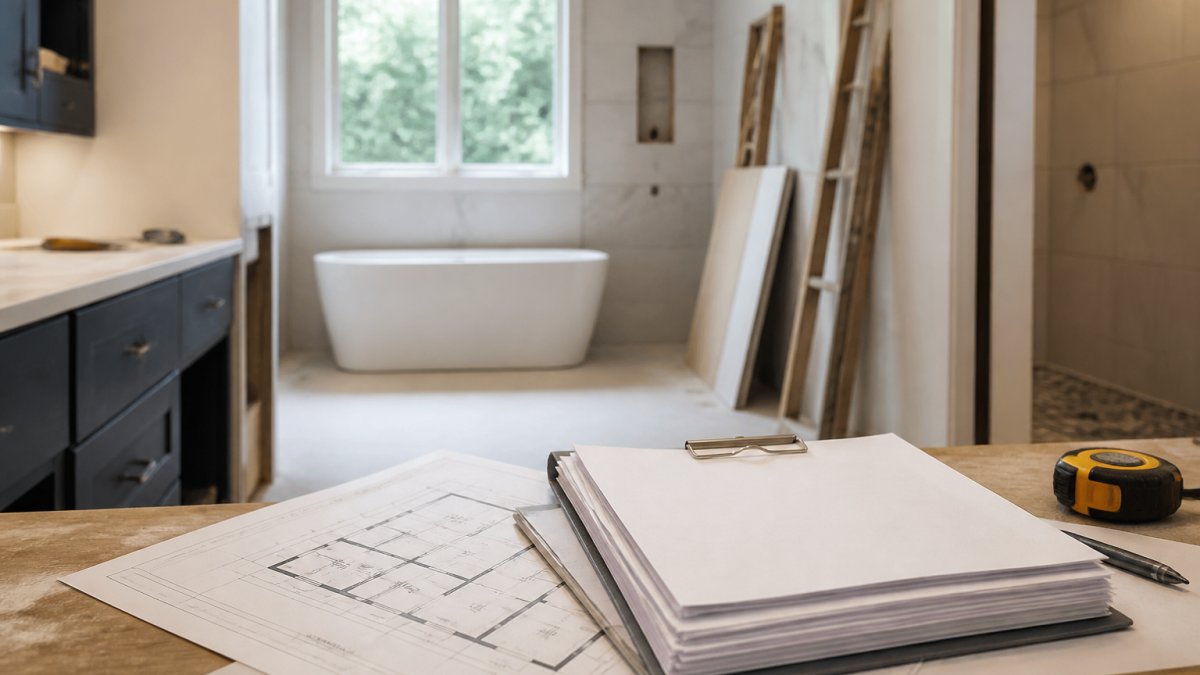
Next comes the physical assessment. The team will measure your space, photograph existing conditions, and identify potential challenges: outdated electrical systems, plumbing that requires relocation, or structural elements affecting your design options. Local expertise matters; a contractor familiar with building codes and permitting requirements in your area will spot problems that could delay your project.
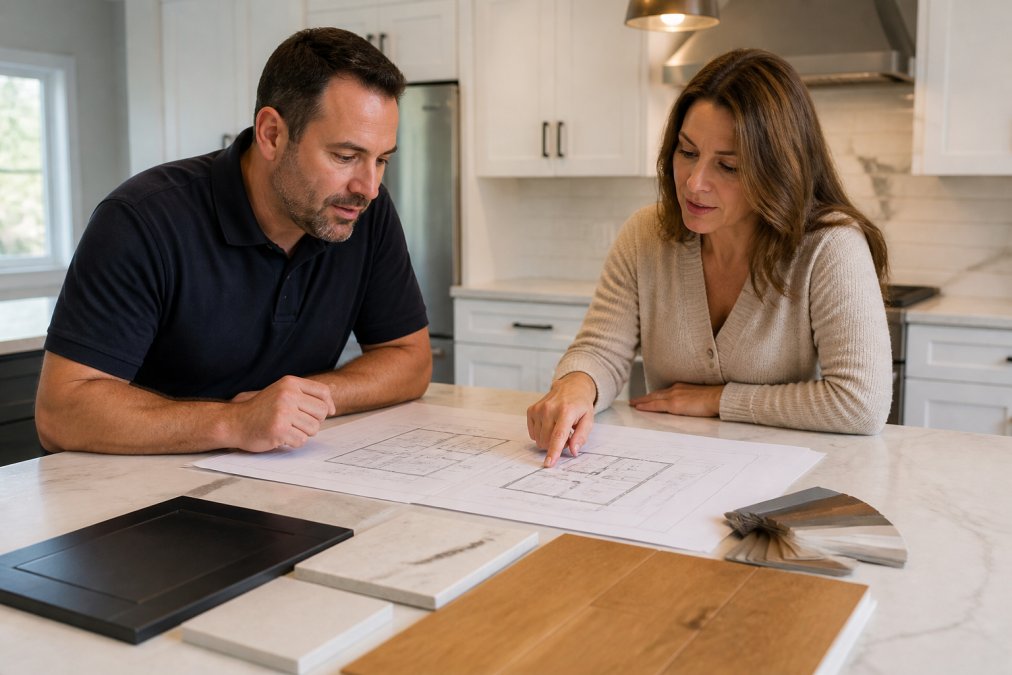
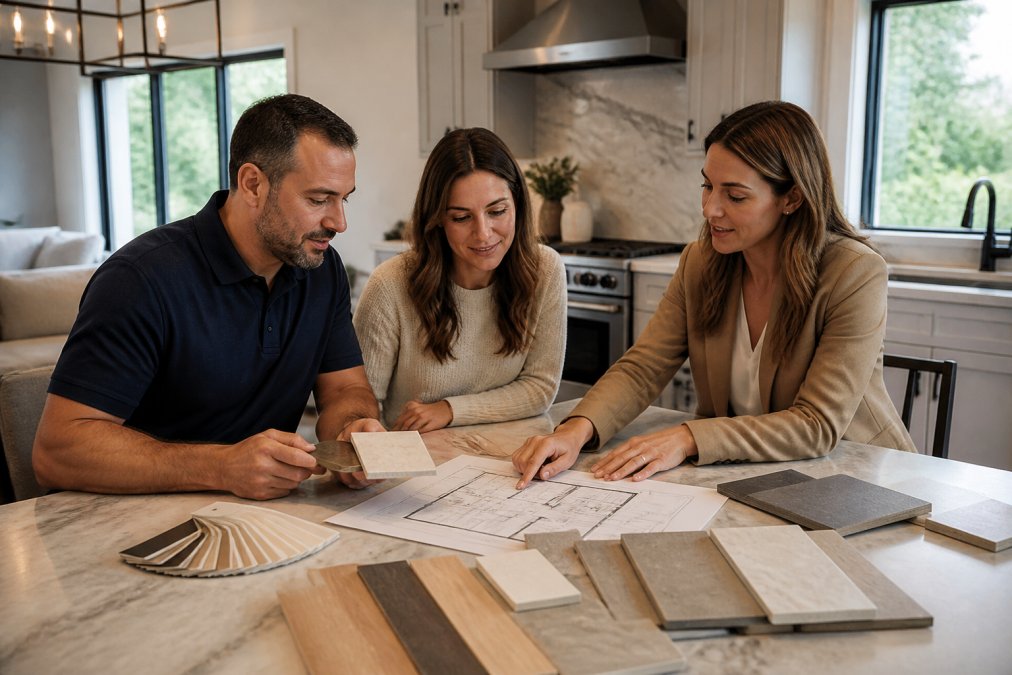
You'll discuss materials, finishes, and design direction. Bring inspiration photos, Pinterest boards, or magazine clippings showing what appeals to you visually and functionally. The consultant will explain what's realistic for your space and budget, which options offer the best longevity, and how different choices affect project scope.
A quality consultation includes a preliminary budget discussion. You won't get a final price yet, but you should leave understanding the general cost range for your project type. Be prepared for honest feedback. If your vision exceeds your budget, a good consultant will suggest phased approaches or alternative materials that deliver similar aesthetics at different price points.
Before you leave, clarify next steps: Will you receive a written proposal? How long will it take? What information do they need from you?
Defining Your Renovation Goals and Vision
Your renovation goals are the north star for every decision that follows. Without clarity, you'll face endless choices, scope creep, and potential regret.
Start by identifying the primary problem. Is your kitchen too small? Does your master bathroom lack storage? Are your spaces disconnected? Most homeowners have one or two core issues driving the renovation.
Think about how you use your space. Do you entertain frequently? Work from home? Have a large family? Your lifestyle directly influences design decisions. Consider the emotional experience you want, a spa-like retreat in your primary bath or a bright, energizing kitchen. When you can articulate this feeling, the design team can make choices that deliver that experience.
Think about your timeline and life stage. Are you planning to stay in this home for decades or five years? Your answer shapes material choices, design trends to embrace or avoid, and which upgrades deliver the best return on investment.
Be realistic about your budget. Don't share an inflated number or lowball what you can actually spend. A consultant working with your real budget can deliver far better results than one operating under false constraints. Dimensions Luxury Builders works with homeowners to understand their true investment capacity, then designs solutions that maximize value at that level.
Write down your goals before the consultation and bring them with you. This prevents you from forgetting important details and shows the consultant you've done serious thinking about what you want.
Questions to Ask Home Remodeling Contractors
The questions you ask during your consultation reveal whether you're working with a professional who understands your needs and can deliver results.
Process and Timeline Questions:
"Walk me through your entire process from consultation to completion." A clear process shows the contractor has done this many times. They should explain each phase: design, permitting, construction, inspections, and final walkthrough.
"How long does a project like mine typically take?" This gives you realistic expectations. A contractor who understands your specific project type can give you a credible estimate.
"What happens if we encounter unexpected issues during construction?" Every renovation uncovers surprises. A good contractor has a process for assessing issues, explaining your options, getting your approval before proceeding, and documenting everything.
Budget and Financial Questions:
"What's included in your quote, and what isn't?" A transparent contractor breaks down labor, materials, permits, and contingency, explaining what's included and what costs extra.
"Do you require a deposit? When are payments due?" Standard practice is a deposit to secure your start date, then progress payments tied to specific milestones.
"What's your contingency percentage?" Most contractors build in 10-15% contingency for unexpected costs. Understand how this works and when it applies.
Licensing, Insurance, and Guarantees:
"Can you prove you're licensed and insured?" Ask to see current documentation and verify the license with your state's licensing board.
"What warranty do you provide on your work?" Standard warranties cover defects in workmanship for one year. Get this in writing.
"How do you handle issues that arise after the project is complete?" A professional contractor stands behind their work and should have a clear process for addressing problems that emerge afterward.
Experience and References:
"How many projects like mine have you completed?" Experience matters. A contractor who's done dozens of kitchen renovations understands the complexities better than one doing their first.
"Can you provide references from recent clients?" Contact at least three and ask: Did the project stay on budget? On schedule? How was communication? Would they hire this contractor again?
"Are you familiar with the permitting process here?" Local knowledge is invaluable. A contractor who understands your area's building codes, inspectors, and permit timeline can navigate the process efficiently.
How to Prepare for a Design-Build Consultation
Preparation transforms your consultation from a general conversation into a focused, productive meeting.
Start by measuring your space and taking photos from multiple angles: wide shots showing the overall space, close-ups of problem areas, and details of existing finishes you're keeping or replacing.
Gather inspiration. Create a folder of images showing styles, colors, layouts, and details you love. The consultant will help you translate inspiration into feasible design.
Make a list of your must-haves and nice-to-haves. Must-haves are non-negotiable features or outcomes. Nice-to-haves are things you'd love but could live without if budget requires trade-offs.
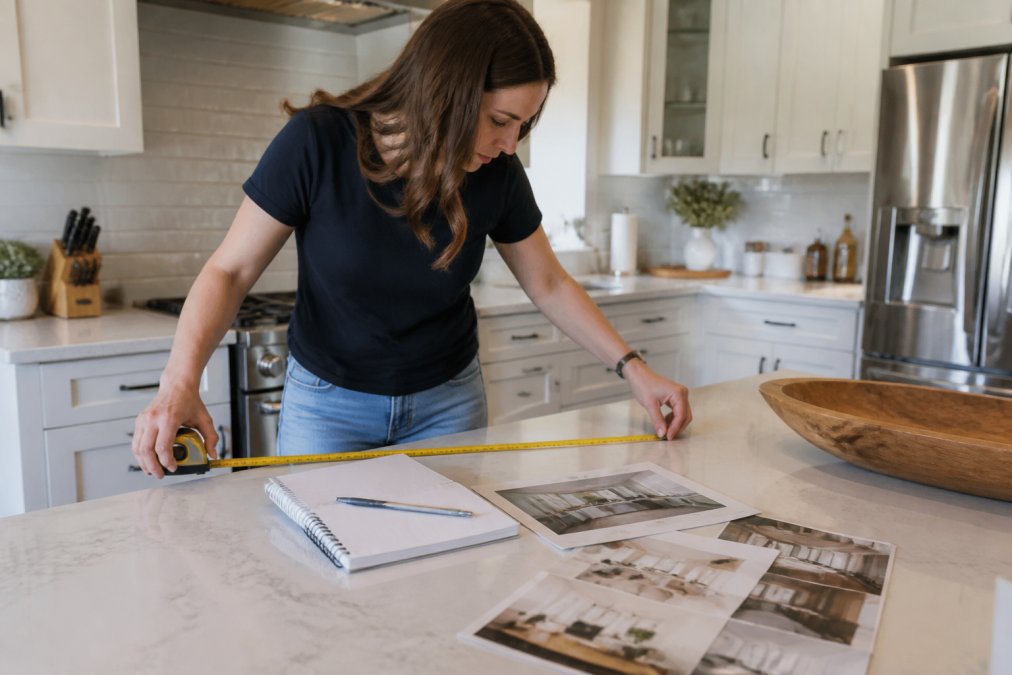
Document current problems with specific examples. If your bathroom lacks storage, take photos of where you're storing things now. If your kitchen layout doesn't work, describe specifically what doesn't work.
Identify your budget range. You don't need an exact number, but knowing whether you're thinking $30,000 or $150,000 shapes the entire conversation. If you're unsure, ask the consultant for typical cost ranges for your project type.
Think about your timeline. When do you want to start? When do you need the project complete? List any structural or mechanical concerns: plumbing issues, electrical problems, foundation concerns, or previous water damage.
Finally, clear your schedule for the consultation. Allow at least two hours.
Understanding the Design-Build Process and Timeline
The design-build approach differs fundamentally from traditional separate design and construction. A single team manages both design and construction, creating continuity, accountability, and efficiency.
Design Phase: The design team develops floor plans, elevations, and 3D renderings based on your goals and budget. You'll review multiple options, provide feedback, and refine the design until it matches your vision. This phase typically takes 4-8 weeks depending on project complexity.
Permitting Phase: Once the design is finalized, the team prepares permit applications and submits them to local authorities. Permitting timelines vary significantly based on project scope and local processes. A bathroom renovation might take 2-4 weeks; a major kitchen remodel could take 8-12 weeks. According to Florida Building Code requirements, all renovations require appropriate permits and inspections. Your contractor should handle this process completely, keeping you informed of progress.
Pre-Construction Phase: The team finalizes material selections, orders long-lead items like custom cabinetry, and schedules subcontractors. You'll confirm the construction timeline, discuss logistics, and sign the construction agreement. This phase typically takes 2-4 weeks.
Construction Phase: The actual work begins. For a kitchen or bathroom renovation, expect 6-12 weeks depending on scope. The team coordinates daily work, manages subcontractors, conducts required inspections, and keeps you informed of progress.
Final Phase: Once construction is substantially complete, you'll walk through the project with the contractor, documenting any final punch-list items. These are typically completed within 1-2 weeks. After punch-list completion, you receive final documentation: warranties, maintenance instructions, and as-built drawings.
The entire process from initial consultation to final walkthrough typically takes 4-6 months for standard renovations, longer for complex projects. Dimensions Luxury Builders manages this timeline with precision, keeping projects on schedule while maintaining quality standards.
Home Renovation Financing Options and Budget Planning
Financing a home renovation requires understanding your options, your actual budget capacity, and the true cost of your project.
Self-Funding: If you have savings, paying cash eliminates interest costs and provides the most control. However, using all your liquid savings creates financial vulnerability.
Home Equity Line of Credit (HELOC): A HELOC allows you to borrow against your home's equity at relatively competitive rates. You pay interest only on what you draw, making it flexible for projects where costs emerge gradually.
Home Equity Loan: A fixed-rate home equity loan provides a lump sum with predictable monthly payments. This works well when you know your total project cost upfront.
Cash-Out Refinance: If you have substantial equity and current mortgage rates are favorable, refinancing your primary mortgage and taking cash out can provide funds at competitive rates.
Personal Loans: Unsecured personal loans don't require collateral but carry higher interest rates than home-secured options.
Contractor Financing: Some contractors partner with financing companies offering promotional rates or extended terms. Review terms carefully, as promotional rates may expire.
Before choosing a financing option, calculate your true project cost. Get detailed quotes from contractors including permits, inspections, materials, labor, and a contingency (typically 10-15% for unforeseen issues). Don't underestimate; underbudgeting forces difficult compromises mid-project.
Consider your financial situation honestly. What monthly payment can you comfortably afford? How long are you willing to carry debt?
Scheduling Your Consultation and Next Steps
Once you've decided to move forward with a home renovation consultation, the scheduling process is straightforward.
Contact the contractor: Reach out through their website, phone, or email. Most established contractors have simple online scheduling systems. Provide basic information: your project type, general scope, and preferred dates.
Confirm timing: Ask how long the consultation will take. Most home renovation consultations require 1-2 hours. Schedule when you're not rushed and can focus fully on the discussion.
Prepare your information: Gather measurements, photos, inspiration images, your goals list, and your budget range.
Clear your space: The consultant needs clear access to the space and ability to see existing conditions.
Have decision-makers present: If you share the home with a partner or spouse, both should attend to prevent misunderstandings later.
Take notes: During the consultation, write down recommendations, timelines, budget ranges, and next steps.
Ask about deliverables: Before the meeting ends, confirm what you'll receive next. Will the consultant send a written proposal? Preliminary design sketches? A timeline?
Clarify the proposal process: Ask how long it will take to receive a formal proposal and what that proposal will include. A typical timeline is 1-2 weeks after the consultation.
Discuss decision timeline: Ask when the consultant needs your decision to secure your project start date.
After your consultation, take time to review your notes, discuss with anyone involved in the decision, and ask follow-up questions if needed. A good contractor welcomes questions and clarifications.
At Dimensions Luxury Builders, we believe the consultation process is foundational to project success. We take time to understand your vision, assess your space thoroughly, and provide honest guidance about what's possible. Our team manages every detail from design through final walkthrough, giving you the confidence that your renovation will be executed with precision and care.
Scheduling a home renovation consultation is the critical first step toward transforming your home into the space you've envisioned. The right contractor will listen carefully to your goals, assess your space honestly, and guide you through a clear process from design to completion. Dimensions Luxury Builders specializes in end-to-end project management for luxury renovations, handling permitting, material selection, construction oversight, and quality assurance so you can focus on enjoying the transformation. Get a free quote today and discover how professional design-build expertise can turn your renovation vision into reality.
| Phase | Duration | Key Activities |
|---|---|---|
| Initial Consultation | 1-2 hours | Space assessment, goal discussion, budget overview |
| Design Development | 4-8 weeks | Floor plans, renderings, material selection, refinement |
| Permitting | 2-12 weeks | Application preparation, submissions, approvals |
| Pre-Construction | 2-4 weeks | Material ordering, subcontractor scheduling, logistics planning |
| Construction | 6-12 weeks | Active work, inspections, progress communication |
| Final Phase | 1-2 weeks | Punch-list completion, documentation, walkthrough |
National Association of Home Builders renovation guidelines
Consumer Financial Protection Bureau home equity loan information
American Institute of Architects design-build best practices
Frequently Asked Questions
What should I ask during a home renovation consultation?
Ask about the contractor's licensing and insurance, their experience with projects similar to yours, the design-build process timeline, how they handle permitting and building codes, what happens if costs exceed budget, their warranty and post-project support, and references from recent clients. Request a detailed breakdown of what's included in the project scope and pricing. Understanding these details upfront prevents surprises and ensures you're working with a contractor who aligns with your vision and expectations.
What are the main home renovation financing options?
Common financing options include home equity lines of credit (HELOCs), home equity loans, cash-out refinancing, personal loans, and contractor financing programs. HELOCs and home equity loans typically offer lower interest rates because they're secured by your home. A cash-out refinance lets you borrow against your home's equity by refinancing your mortgage. Personal loans don't require collateral but may have higher rates. Discuss financing options with your contractor and lender to find the best fit for your budget and timeline.
How do I prepare my home for a renovation consultation?
Measure your space and note any structural concerns or limitations. Gather inspiration photos from magazines or online sources that reflect your style. Create a list of your priorities, whether that's functionality, aesthetics, or both. Document existing conditions with photos. Have your home's age, construction type, and any previous renovations documented. Clear the area being consulted on so the contractor can assess the space fully. Prepare a realistic budget range and timeline. Having this information ready helps the contractor provide accurate assessments and recommendations during the in-home assessment.
What's included in a home renovation consultation?
A comprehensive consultation includes an in-home assessment of your space, discussion of your goals and vision, review of design and material options, project scope definition, timeline and milestone planning, budget estimation, and explanation of permitting and building code requirements. The contractor should walk through the design-build process and answer your questions about their approach. Many consultations result in a detailed proposal outlining deliverables, costs, and next steps. Some consultations are free, while others may have a fee, clarify this when scheduling.
This article was written using GrandRanker