 listicle
Best Home Improvements for Resale Value: 7 High-ROI Projects
Table of Contents
- Why Some Home Improvements Pay Off at Resale and Others Don't
- Home Improvements With the Best Return on Investment
- Best Kitchen Upgrades for Resale
- Bathroom Renovations That Add Value
- Windows, Insulation, and Energy Upgrades: What Recoups and What Doesn't
- Pre-Sale Home Renovation Checklist
- Choosing a Contractor for Resale-Focused Renovations
- Conclusion
- Frequently Asked Questions
Last Updated: October 17, 2026
Why Some Home Improvements Pay Off at Resale and Others Don't
Not every renovation returns your money at closing. The best home improvements for resale value share one trait: they reduce a buyer's perceived risk or effort rather than reflect your taste. A new roof reassures; a hand-painted mural does not.
At Dimensions Luxury Builders, we see this play out constantly. Buyers pay for what they can verify: a sound roof, a modern entry, a clean kitchen, a dry bathroom. Zillow's guide to improvements that increase value frames this as cost recouped, and that's the right lens.
Below, we break down the projects that recoup the most, plus the ones that quietly drain budgets.
Home Improvements With the Best Return on Investment
The highest-return projects are almost all exterior and entry-related: visible from the curb, cheap relative to full remodels, and they signal "well maintained" before a buyer steps inside.
Garage Door Replacement
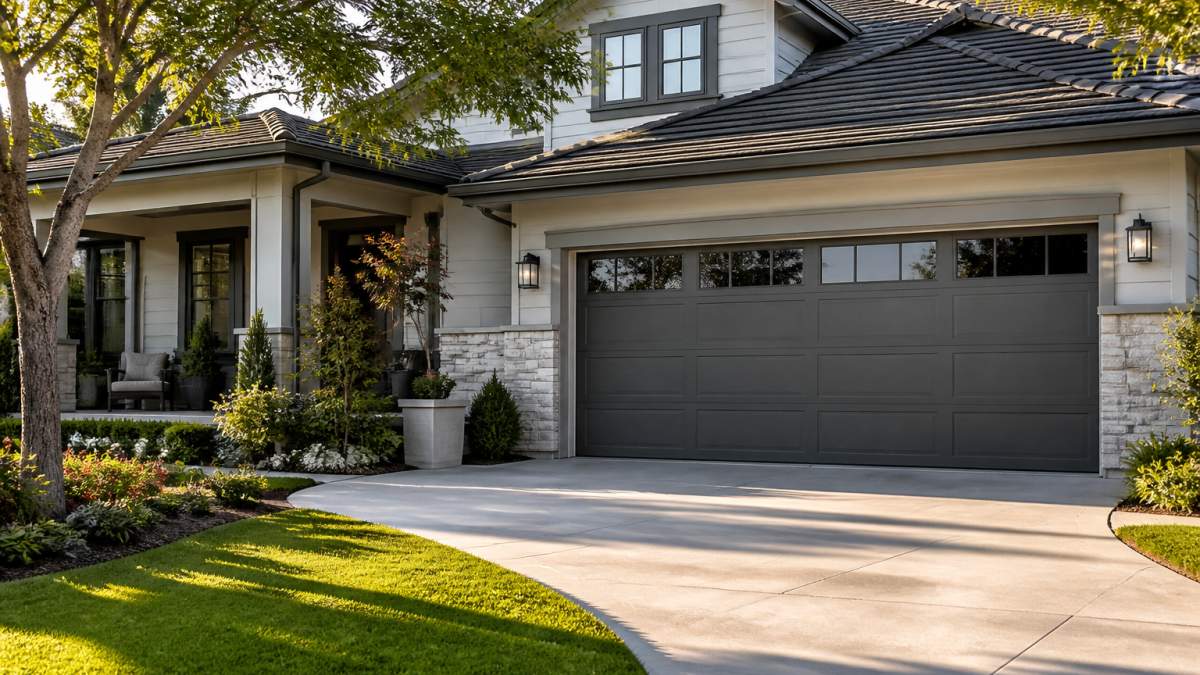
Garage door replacement is the most reliable exterior upgrade for recouping cost. HomeLight reports an average cost of $4,672 with a potential 268% recoup in resale value, unusually high, and driven by curb appeal more than function. A tired, dented door dominates the front elevation; a new one resets the facade in an afternoon.
Entry and Front Door Replacement
The front door is the handshake. Zillow reports a steel entry door replacement at a cost of $2,435 with a resale value of $5,270, a 216% recoup. The National Association of REALTORS® estimates roughly a 100% return for steel and about 80% for fiberglass. Buyers read a solid, sealed entry as security and efficiency at once.
Manufactured Stone Veneer
Manufactured stone veneer delivers outsized returns: Zillow lists a reported cost of $11,702 against a resale value of $24,328. It's a partial-facade treatment, not a full re-side, so scope stays contained while the home's character changes.
| Project | Reported Cost | Reported Recoup | Best For |
|---|---|---|---|
| Garage door replacement | $4,672 | Up to 268% | Fast curb-appeal reset |
| Steel entry door | $2,435 | 216% | Security and first impression |
| Manufactured stone veneer | $11,702 | Strong partial-facade return | Facade character upgrade |
Best Kitchen Upgrades for Resale
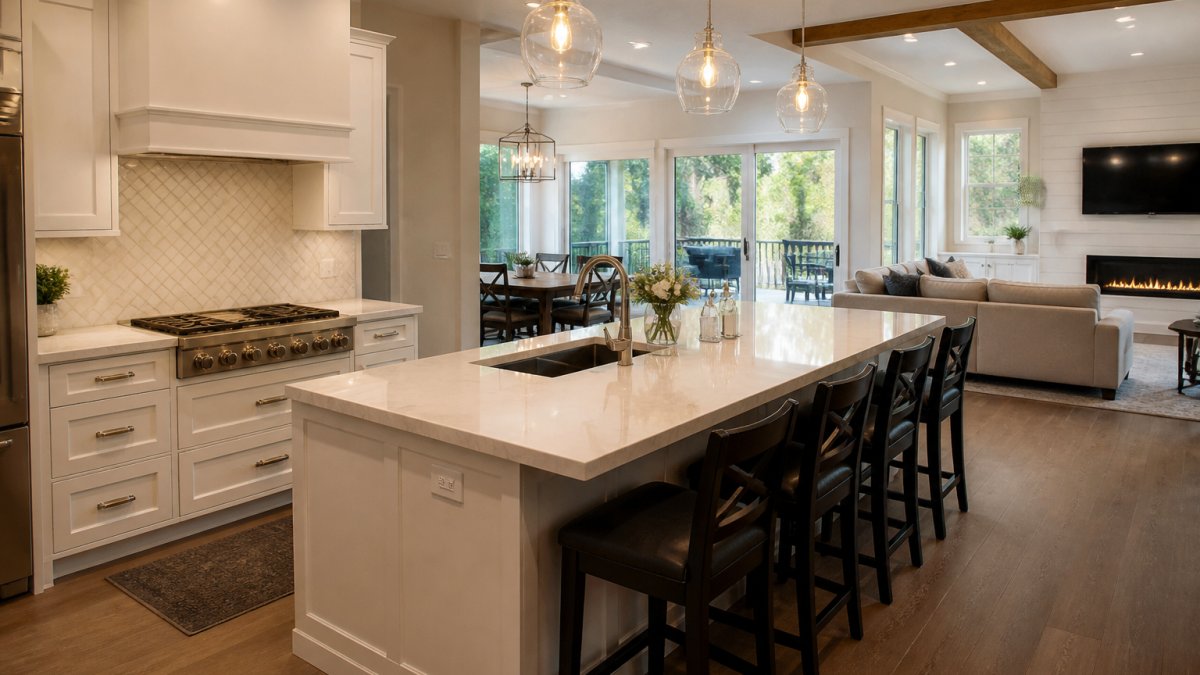
Kitchens sell homes, but full gut renovations rarely return their cost. The winning move is a minor kitchen refresh: refaced or painted cabinets, updated hardware, new countertops, modern lighting.
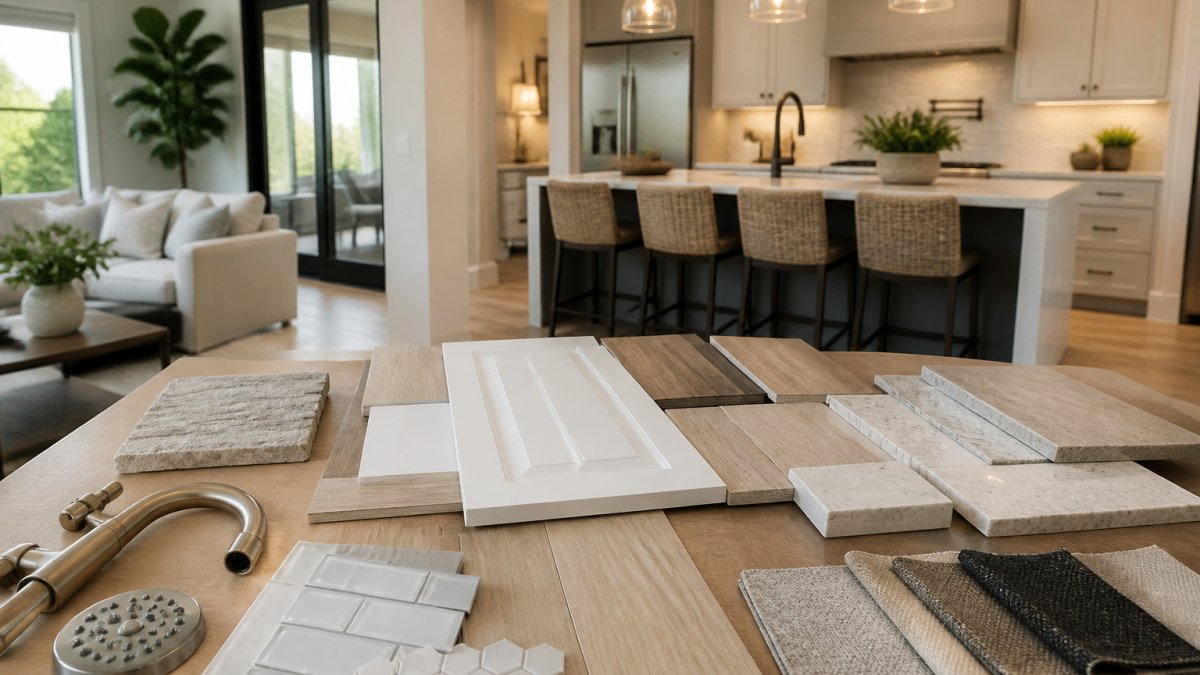
Skip the high-end appliance package unless the neighborhood supports it. A $15,000 range in a $300,000 house is money you won't see again. Spend on surfaces buyers touch and photograph: counters, backsplash, fixtures.
Bathroom Renovations That Add Value
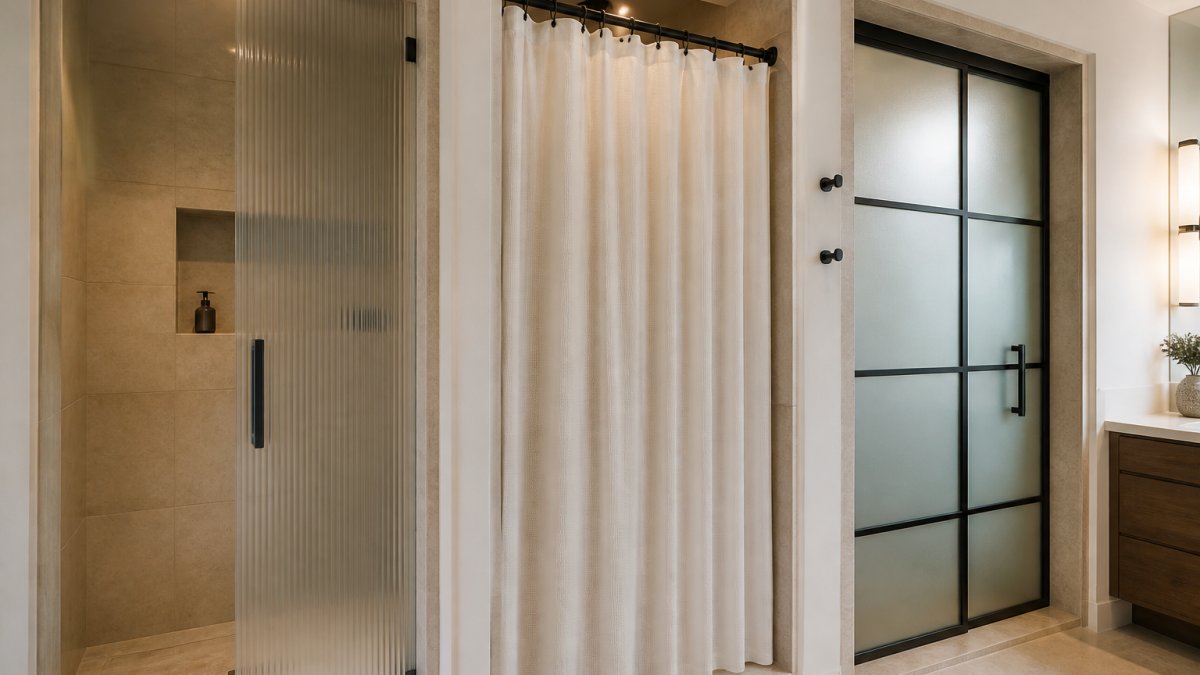
Bathrooms add value when they solve a problem, not when they impress. A dated, cramped bathroom reads as a project; a clean, functional one reads as move-in ready.
Focus on essentials: a modern vanity, updated fixtures, fresh tile, good lighting.
The National Association of REALTORS® also reports an estimated 83% return for a closet renovation, which pairs naturally with bathroom work. Storage and function sell.
Windows, Insulation, and Energy Upgrades: What Recoups and What Doesn't
Energy upgrades are where expectations and reality diverge most. Opendoor reports that solar panels, new windows, and added insulation typically recover 50% to 70% of cost at resale, a real return, but not the 200%-plus you see on entry doors (Top improvements that increase home value based on market data). The useful question is which recoup enough to justify the disruption, and how to verify the work so a failed inspection or warranty dispute doesn't erase the return.
Windows: efficiency plus a safety argument
The National Association of REALTORS® lists new vinyl windows among upgrades that can pay off. In storm-prone markets, impact-rated windows and doors add a safety argument on top of efficiency: buyers and insurers both notice them, and some carriers offer premium credits for verified impact protection.
Installation quality decides whether the windows perform. Ask for the manufacturer's installation specification, confirm flashing and sealing details are in the scope, and require warranty documents at completion. A window that leaks from poor flashing is a callback, not an upgrade.
Insulation: modest recoup, strong inspection results
Insulation recoups modestly but improves comfort and inspection results. Attic insulation is usually the highest-yield target, accessible and inexpensive relative to wall retrofits. Before you spend, ask for a blower-door test or a visual assessment of insulation depth and air sealing; adding insulation over unsealed bypasses wastes money. Keep photos of installed depth and the product spec, because appraisers and buyers' inspectors will ask.
Solar: the weakest pure-resale math, with caveats
Solar is the weakest of the three for pure resale math, though it can help where buyers value it. The outcome depends on financing and ownership: a purchased system with a transferable warranty and documented production history is easier for a buyer's lender and appraiser to value than a leased system with a transfer requirement.
How to compare the three before you spend
Use a simple decision sequence:
- Start with an energy audit or blower-door test so you are fixing measured problems, not guesses.
- Price each option against its documented recoup range, not against the best-case number in a marketing table.
- Confirm permit requirements for each scope; solar and some window replacements require electrical or structural permits in many jurisdictions.
Pre-Sale Home Renovation Checklist
Before you spend, work through this sequence to avoid renovating in the wrong order.
- Walk the exterior first: door, garage, siding, roofline. Fix what a buyer sees in the first ten seconds.
- Get a pre-listing inspection so you're fixing real defects, not guesses.
- Confirm your neighborhood's price ceiling with a local agent before choosing finishes.
Bankrate highlights simple curb-appeal tasks like power washing a driveway and mowing the lawn, and those cost little while lifting first impressions. Bankrate's guide to increasing home value is a useful starting point for the low-cost end of the list.
Choosing a Contractor for Resale-Focused Renovations
A resale-focused renovation fails if the contractor disappears, overruns, or cuts corners. The hard question is how to verify a contractor before you sign, and what to do if the project already went sideways. Work through these steps in order, and keep a written record of each.
Step 1: Verify the license, insurance, and bond
Ask for the contractor's license number in writing and check it through your state's licensing board or registration database.
For insurance, don't accept a photocopied certificate from the contractor's own file.
Bonding matters most in states that require it for residential contractors. Ask for the bond number and verify it with the issuing surety, not just on the contractor's website.
Step 2: Check references and the project record
Ask for three references from projects similar in scope and price, completed within the last two years, and call them. Ask: Did the schedule hold? Were change orders written and priced before work started?
Then check the public record: your state licensing database for complaints and disciplinary actions, local court records for construction-related judgments, and the contractor's portfolio for before-and-after photos matching the addresses of the references you called.
Step 3: Put the scope, schedule, and payment terms in writing
The contract should name materials by brand and model where it matters, list exclusions explicitly, state start and substantial-completion dates, and tie payments to milestones rather than calendar dates.
Never pay a large lump sum up front.
Require written change orders. Any scope change should be priced, signed, and dated before the work is performed. Verbal approvals are how budgets drift.
Ask how lien waivers will be handled.
Step 4: Confirm permits before demolition
The contractor should pull permits in their name (or jointly with you, per local rules) and post them on site. A suggestion to skip permits is a red flag: unpermitted work can surface during a pre-listing inspection, complicate an appraisal, and sometimes require removal or retroactive permitting at your expense. Ask for the permit number and verify it with the local building department.
Step 5: Distinguish normal delays from misconduct
Delays are normal; misconduct looks different. A normal delay comes with a schedule update, a stated dependency (inspection, material lead time, weather), and a revised completion date. Misconduct looks like unexplained absences, no schedule updates, payment requests ahead of milestones, and work that repeatedly fails inspection. Keep a dated log of site visits, photos, and communications, it's the record you'll rely on in a dispute.
Step 6: If something goes wrong, escalate in writing
If you find defects, unfinished work, or payment disputes, document them with dated photos and a written punch list, then send written notice describing the defect and requesting cure within a stated period. Review the contract's dispute-resolution and warranty clauses first. If the contractor is licensed, file a complaint with the state licensing board; if permits were pulled, notify the local building department; for payment or lien disputes, consult a construction attorney in your state.
As a licensed and insured Florida contractor, we manage permitting, local supplier access, and the full schedule with one point of contact, so you're not chasing trades or approvals mid-project. For hurricane-rated windows and doors, installation quality decides whether they perform, a craftsmanship question, not a spec-sheet one.
Conclusion
The best home improvements for resale value are rarely the most exciting ones. They're the visible, verifiable upgrades that lower a buyer's risk: entry doors, garage doors, stone veneer, a refreshed kitchen, a functional bathroom, sound windows.
If you're planning a resale-focused renovation and want the permitting, craftsmanship, and schedule handled properly, talk to us.
Frequently Asked Questions
Which home improvements add the most resale value?
Exterior projects tend to lead. Zillow reports a steel entry door replacement cost of $2,435 with a resale value of $5,270, a 216% cost recoup. HomeLight reports garage door replacement averaging $4,672 and recouping 268% in resale value. Manufactured stone veneer also performs well, with Zillow listing a $11,702 cost against a $24,328 resale value. Interior projects like kitchen and bathroom updates usually return less than 100% but still help a home sell faster.
Do kitchen remodels increase resale value?
They can, but the return depends on scope. A full high-end kitchen remodel rarely recoups its full cost, while a minor update such as refreshed cabinet fronts, new hardware, and modern lighting tends to recover a larger share. Focus on visible, functional improvements buyers notice during a showing rather than specialty appliances or layouts that only suit your taste. A contractor can help you scope upgrades that appeal to the local buyer pool without overspending.
Is it worth renovating a bathroom before selling?
Often yes, if the bathroom is dated or damaged. Bathroom renovations that add value usually involve modest updates: a new vanity, updated fixtures, fresh tile, and improved lighting. The National Association of REALTORS® reports an estimated 83% return for a closet renovation, and bathroom updates follow a similar logic of improving storage and function. Skip full gut remodels unless the bathroom is genuinely nonfunctional, since buyers rarely pay back the full cost of a luxury rebuild.
What home improvements do not add value?
Projects that reflect highly personal taste or over-improve for the neighborhood tend to return little. Examples include luxury pool additions in areas where buyers don't expect them, extensive built-in specialty storage, and high-end landscaping that requires ongoing maintenance. Opendoor reports that energy-efficiency upgrades like solar panels, new windows, and added insulation typically recover 50% to 70% of cost at resale, so treat those as partial returns rather than sure wins.
How do I choose home improvements that fit my resale timeline?
Match the project to how long you plan to stay. If you're selling within a year, prioritize fast, high-recovery exterior work like door and garage door replacement, plus cosmetic fixes. If you have three to five years, kitchen and bathroom updates have time to pay off in daily enjoyment as well as resale. A pre-sale home renovation checklist helps you sequence work so nothing is half-finished when the listing goes live.