 ultimate-guide
Impact Window Installation Cost 2026 Guide
Table of Contents
- What Impact Window Installation Actually Costs in 2026
- Factors That Drive Impact Window Installation Cost
- Retrofitting vs. New Construction Frames: A Cost Comparison
- Home Insurance Discounts for Impact Windows
- Preventing Leaks in Impact Window Installation
- Impact Window Installation Timeline: What to Expect
- Disposal, Debris Removal, and Hidden Project Costs
- Conclusion
Last Updated: August 22, 2026
What Impact Window Installation Actually Costs in 2026
Impact window installation cost in 2026 sits at the intersection of building code compliance, material quality, and labor complexity. At Dimensions Luxury Builders, we work with Broward County homeowners who discover their project has variables that shift the number significantly from online estimates. This guide breaks down exactly what drives those differences.
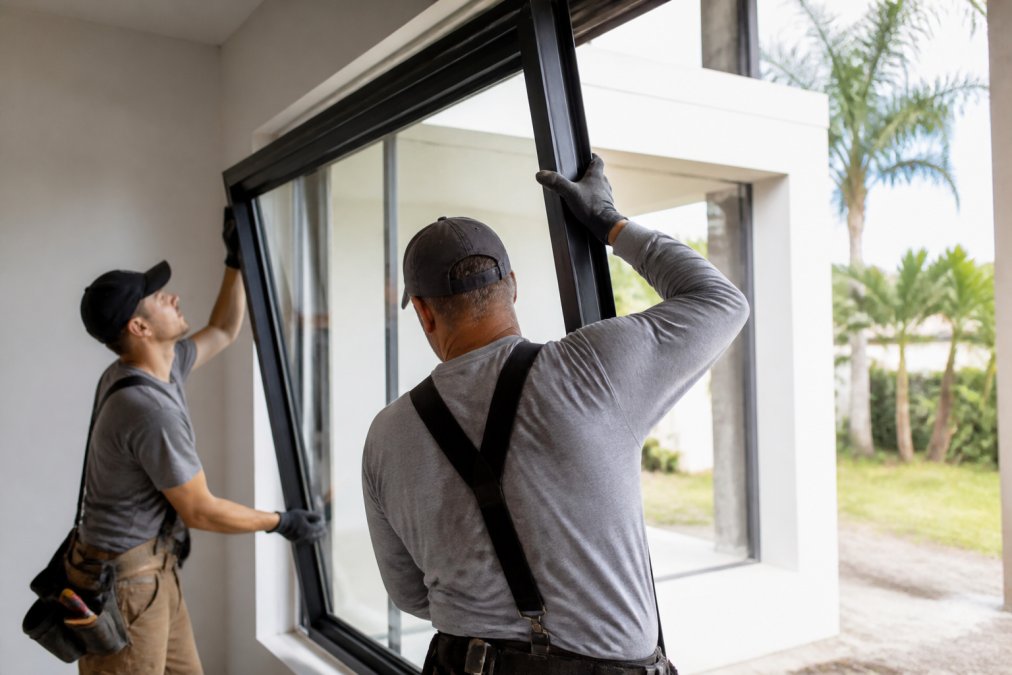
Impact window installation is the process of replacing standard glazing with laminated, shatter-resistant windows engineered to withstand hurricane-force wind loads and wind-borne debris impact. The glass uses a polyvinyl butyral interlayer bonded between two panes, which holds the assembly together even when the outer layer fractures, qualifying these windows under ASTM standards and the Florida Building Code.
Cost Per Window vs. Full-Home Project Estimates
Impact window pricing is typically quoted per opening or as a full-home project. Per-opening estimates cover the window unit plus labor to remove and install the replacement. Full-home estimates bundle all openings, permitting, and debris removal into a single contract price.
Per-opening costs vary based on window size, frame material, glass package, and whether the opening requires structural modifications. Smaller standard-sized windows cost less per unit than large casement windows or custom-shaped openings needing new framing. Full-home projects benefit from economies of scale on labor, but total investment grows with every opening, including doors with impact-rated glazing.
Contact Dimensions Luxury Builders for a free quote tailored to your specific floor plan and opening count.
Labor vs. Material Cost Breakdown
Material costs and labor costs typically split with the window units themselves representing the larger share. High-quality laminated glass with a low U-factor and favorable solar heat gain coefficient commands a significant premium over entry-level impact glazing.
Labor covers removal of existing windows, frame preparation, installation, flashing, sealing, and inspection. Licensed contractors in Broward County must pull permits and schedule inspections, adding both time and cost. Complex installations, second-story openings, concrete block construction, or windows requiring structural reinforcement carry higher labor rates.
Always ask for a fully itemized proposal confirming whether permitting fees are included.
Factors That Drive Impact Window Installation Cost
Frame Material: Aluminum vs. Vinyl
Aluminum frames offer superior structural rigidity for larger openings where frame deflection under wind load becomes a concern. They handle HVHZ compliance requirements more easily and are standard in high-end coastal construction. The trade-off is thermal performance unless the frame includes a thermal break.
Vinyl frames provide better inherent thermal performance and resist corrosion without maintenance. They cost less per unit and work well for standard residential sizes, though very large openings may require reinforced vinyl or aluminum to meet wind-load ratings.
For luxury homes with floor-to-ceiling glass, aluminum is the right call. For standard windows, vinyl is cost-effective and meets building code requirements.
| Frame Material | Structural Strength | Thermal Performance | Typical Use Case |
|---|---|---|---|
| Aluminum | High | Moderate (thermal break needed) | Large openings, coastal luxury homes |
| Vinyl | Moderate | High | Standard residential sizes |
| Aluminum-clad wood | High | High | Historic or high-end custom homes |
Window Style and Glass Package Options
Single-hung windows are the most economical option. Double-hung windows cost more and are slightly more complex to seal. Casement windows require stronger locking mechanisms and carry a higher price point.
Glass package selection determines thermal performance. The U-factor measures heat transfer (lower is better), and the solar heat gain coefficient measures solar radiation transmission. In South Florida's climate, lower SHGC reduces cooling loads substantially. High-performance glass packages with low-E coatings cost more upfront but reduce energy costs over the window's lifespan.
According to ENERGY STAR program guidelines on window performance ratings, certified windows deliver meaningful reductions in heating and cooling costs compared to standard glazing.
HVHZ Compliance and Permitting Fees
The High Velocity Hurricane Zone designation covers Miami-Dade and Broward counties and imposes the most stringent wind-borne debris region requirements in the country. Windows must meet Florida Building Code Section 1609 and carry product approval from the Florida Building Commission.
Permitting fees vary by municipality. In Broward County, residential window replacement permits are required for each opening, and inspections are mandatory. Contractors with established relationships with local building departments move through permitting faster than those submitting incomplete applications.
Skipping permits is not viable. Unpermitted impact windows can void homeowner's insurance coverage and complicate property sales.
Retrofitting vs. New Construction Frames: A Cost Comparison
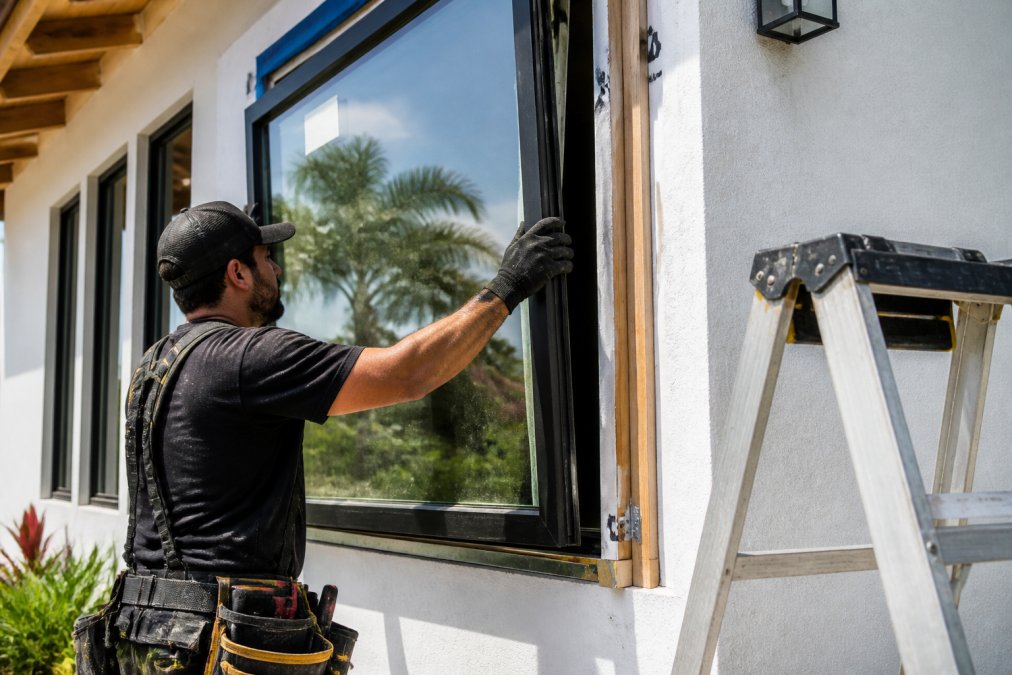
Retrofit installation places the new impact window inside the existing frame. The original frame remains in the wall, and the new unit is secured within it. This approach is faster, generates less debris, and costs less in labor, though it slightly reduces visible glass area.
Full-frame replacement removes the existing window and frame entirely, down to the rough opening. This method is more invasive and expensive but allows for larger glass area and eliminates rotted or compromised framing material. It is the correct approach when the existing frame shows water damage or structural deterioration.
For homes built before the current Florida Building Code cycle, full-frame replacement often uncovers hidden moisture damage that a retrofit would have concealed. Addressing that damage during a planned window project costs less than discovering it later.
As documented in Florida Building Code residential window installation requirements, full-frame replacements trigger additional inspection requirements that affect timeline and permitting fees.
Home Insurance Discounts for Impact Windows
Installing impact windows can generate measurable financial returns through reduced insurance premiums. Florida homeowners with impact-rated opening protection throughout their home qualify for windstorm mitigation credits. A licensed wind mitigation inspector documents the opening protection rating, and the resulting report is submitted to the insurance carrier. Many homeowners see meaningful annual reductions in windstorm premiums.
All openings must be protected for the full credit. A home with impact windows but standard sliding glass doors does not qualify. A whole-home approach, windows, entry doors, and sliding doors, is the financially optimal strategy.
Tax Credit and Rebate Eligibility in 2026
Impact windows with qualifying energy performance ratings may be eligible for the Energy Efficient Home Improvement Credit under the Inflation Reduction Act. According to IRS guidance on the Energy Efficient Home Improvement Credit, homeowners can claim a credit for qualifying exterior windows meeting ENERGY STAR's Most Efficient criteria, subject to annual limits.
The credit applies to window cost, not installation labor. Retain product documentation showing U-factor and SHGC ratings. Consult a tax professional to confirm eligibility for your specific project.
Some utility providers offer additional rebates for high-performance glazing. Check with your local utility for current offerings.
Preventing Leaks in Impact Window Installation
Preventing leaks is not primarily about the glass but about installation method and sealing quality. A properly specified window installed with poor flashing will leak. A standard window installed with meticulous water management will not.
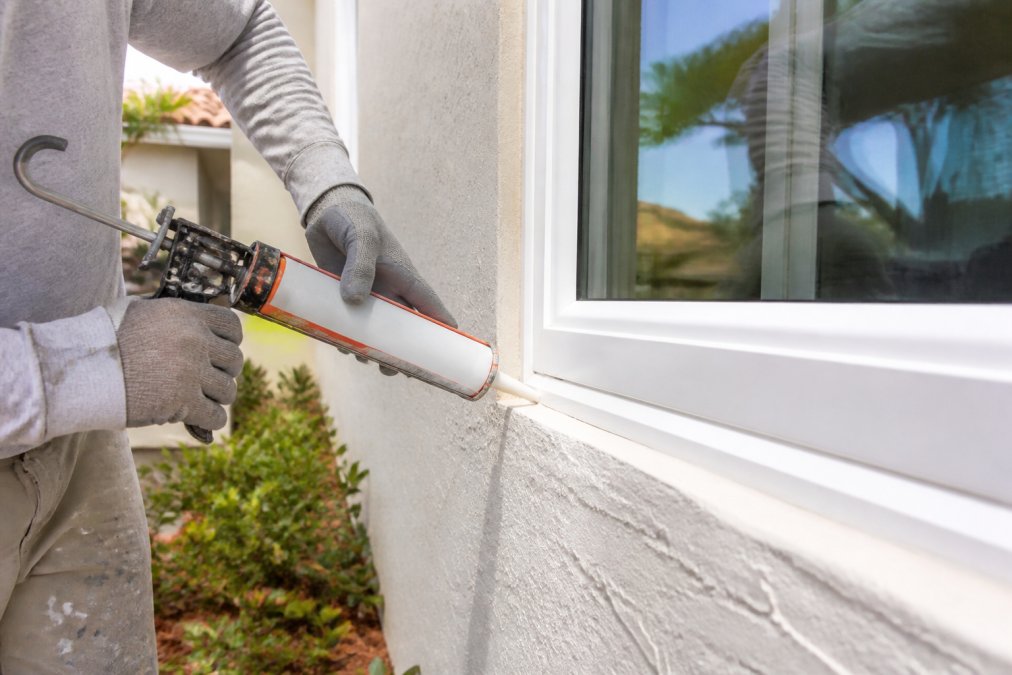
Critical steps for a watertight installation include:
- Proper flashing sequence: Flashing tape applied in correct order (sill first, then jambs, then head) directs water outward, not into the wall cavity.
- Continuous sealant bead: Sealant between frame and rough opening must be applied without gaps.
- Backer rod installation: For larger gaps, a backer rod controls sealant depth and ensures proper compression.
- Weep hole clearance: Impact window frames include weep holes that must remain unobstructed.
- Final inspection under pressure: Test installations with water spray before permit inspection.
The most common source of post-installation leaks is the intersection between the window frame and exterior cladding, requiring careful detailing that varies by cladding type.
Impact Window Installation Timeline: What to Expect
The installation timeline has two distinct phases: pre-installation and installation itself.
Pre-installation phase (typically 4-10 weeks):
- Measurement and product selection: 1-2 weeks
- Window fabrication lead time: 3-6 weeks
- Permit application and approval: 1-3 weeks
Installation phase:
- A standard single-family home with 15-25 openings typically takes 3-5 days
- Complex openings, full-frame replacements, or second-story work take longer
- Final building inspection adds 1-3 days
Permitting timeline is the variable most homeowners underestimate. Contractors with established relationships and clean submissions move through this stage faster.
Disposal, Debris Removal, and Hidden Project Costs
The true cost includes line items that rarely appear in headline quotes.
Debris removal and disposal: Removing existing windows generates glass, framing material, and packaging waste. Confirm whether haul-away is included in the base price.
Stucco repair: Full-frame replacements almost always disturb exterior stucco. Patching and repainting is a separate cost unless explicitly included.
Interior finishing: New window frames may not align with existing interior trim or drywall. Carpentry and painting are commonly excluded.
Temporary weatherproofing: Openings not completed by end of day must be temporarily sealed.
Structural repairs: Full-frame removal sometimes reveals rotted sill plates, deteriorated lintels, or compromised concrete block requiring additional cost.
According to Consumer Financial Protection Bureau guidance on home improvement contracts, request a fully itemized written contract specifying what is and is not included before work begins.
| Hidden Cost Category | Commonly Included? | Ask Before Signing |
|---|---|---|
| Debris haul-away | Sometimes | Yes |
| Stucco repair and paint | Rarely | Yes |
| Interior trim restoration | Rarely | Yes |
| Structural repairs | Never | Yes |
| Permit fees | Often | Yes |
| Wind mitigation inspection | Rarely | Yes |
Conclusion
Planning a whole-home impact window installation means reconciling upfront project costs with long-term financial returns from insurance credits, potential tax incentives, and energy savings. The complexity of HVHZ compliance, frame selection, glass performance ratings, and proper sealing details makes contractor selection as important as product selection. Dimensions Luxury Builders brings end-to-end project management to every impact window project, handling permitting, licensed installation, and final inspection under one point of contact. Get a free quote from Dimensions Luxury Builders and get a clear, itemized picture of your full project cost before committing to anything.
Frequently Asked Questions
What factors influence the total cost of impact window installation?
The biggest cost drivers are frame material (aluminum typically costs more than vinyl), window style (casement windows cost more than single-hung), glass package (laminated glass with a polyvinyl butyral interlayer adds to material cost), opening size, and whether the project involves retrofit installation into existing frames or full-frame replacement. Permitting fees and HVHZ compliance requirements also add to the total. Request an itemized quote to understand exactly where your budget is going.
Do impact windows increase home resale value?
Impact windows consistently add measurable resale value, particularly in hurricane-prone markets where buyers actively seek homes with opening protection already in place. Beyond the sale price, homes with impact-rated windows tend to sell faster because buyers avoid the cost and disruption of a post-purchase installation project. The combination of structural integrity, energy efficiency gains, and insurance premium discounts makes impact windows one of the stronger return-on-investment renovations available.
Are there tax incentives or insurance discounts for installing impact windows?
Yes on both counts. The federal Inflation Reduction Act includes an Energy Efficient Home Improvement Credit that covers qualifying window upgrades meeting specific U-factor and solar heat gain coefficient thresholds. On the insurance side, many carriers offer meaningful premium discounts when a home achieves full opening protection with HVHZ-compliant impact windows. The exact discount varies by insurer and policy, so contact your carrier after installation to formally update your coverage and claim the reduction.
What is the typical timeline for an impact window installation project?
A standard residential impact window installation project runs four to eight weeks from signed contract to final inspection. Lead time for manufacturing custom-sized impact windows is typically three to six weeks. Physical installation of a full home usually takes two to five days depending on the number of openings. Permitting adds time upfront; working with a contractor who has established relationships with local building departments can shorten that phase considerably.
This article was written using GrandRanker